Engineering Applications and Operation of Reverse Osmosis Systems in Industry
How industrial RO systems are structured and operated — pretreatment, process-water and boiler feedwater production, cooling water, monitoring and control, cleaning, maintenance and life-cycle economics.
Introduction
The rapid development of modern industries has created an increasing demand for reliable and high-quality water treatment systems. Water is used in almost every industrial sector, including manufacturing, power generation, food processing, chemical production, and electronics. However, raw water usually contains dissolved salts, suspended particles, microorganisms, and organic contaminants that can negatively affect industrial processes. Reverse osmosis (RO) technology has become an important solution because it can effectively reduce many of these contaminants and produce high-quality water.
Unlike many traditional water treatment methods, RO uses a semi-permeable membrane and pressure to separate water from dissolved substances. Its relatively compact design, high purification efficiency, and ability to operate continuously make it suitable for large-scale industrial applications.
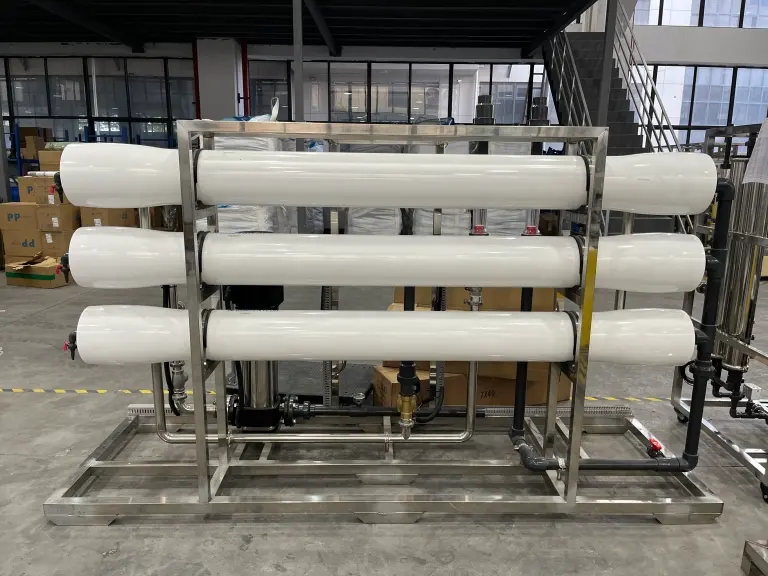
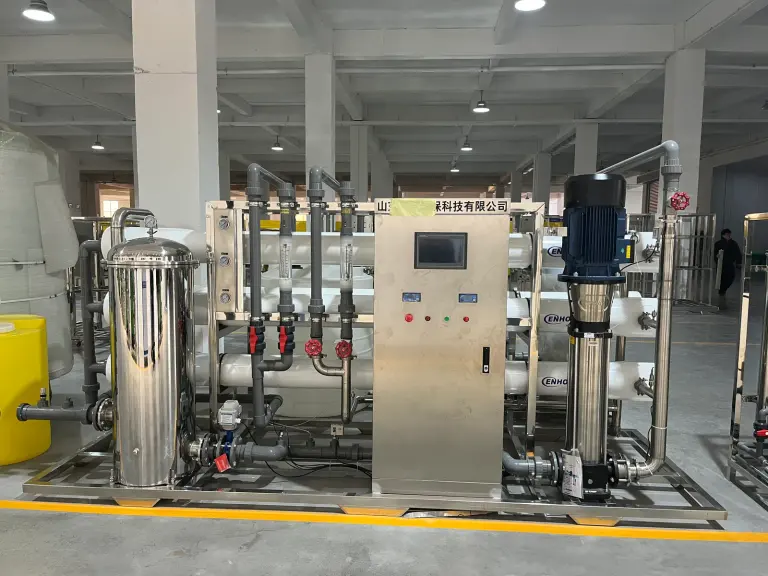
Structure of an Industrial RO System
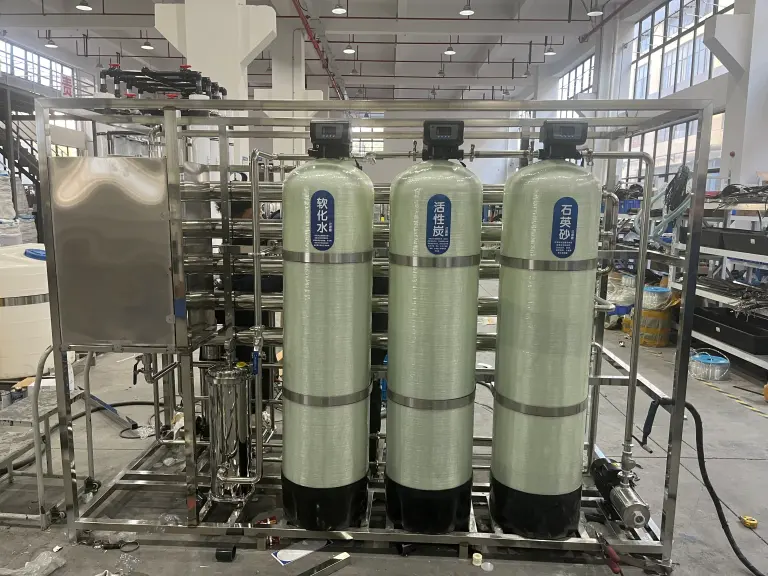
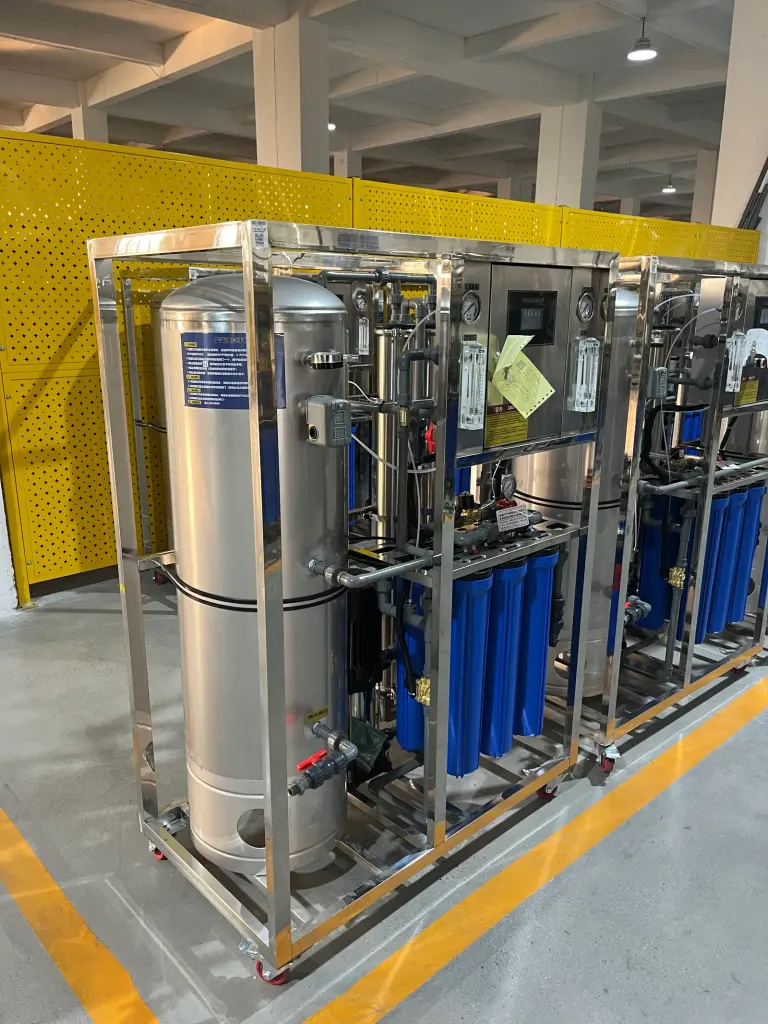
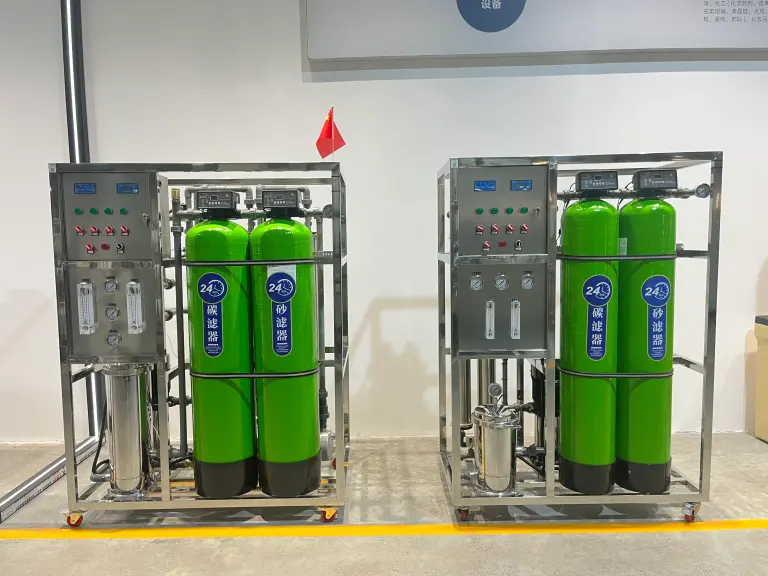
A typical industrial RO system contains several stages. The first stage is pretreatment, which protects the RO membranes from particles, microorganisms, chlorine, and scale-forming substances. Depending on the quality of the feedwater, pretreatment may include multimedia filtration, cartridge filtration, activated carbon filtration, water softening, or chemical dosing.
After pretreatment, a high-pressure pump sends the water into the RO membrane modules. The pressure forces water through the semi-permeable membrane. Most dissolved salts and other contaminants are rejected by the membrane and remain in the concentrate stream.
The purified water leaving the membrane is called permeate. It can be used directly for some industrial processes or sent to additional treatment equipment when higher water quality is required.
Importance of Pretreatment
Pretreatment is one of the most important factors affecting RO system performance. Without proper pretreatment, suspended solids and microorganisms can accumulate on the membrane surface. This phenomenon is known as membrane fouling.
Scaling is another major problem. Certain dissolved minerals can precipitate when their concentration becomes high near the membrane surface. Scale formation reduces water production and can increase operating pressure.
Therefore, industrial operators need to monitor feedwater quality and select an appropriate pretreatment process. Effective pretreatment can increase membrane life, reduce cleaning frequency, and lower long-term operating costs.
Industrial Process Water Production
One of the most common applications of RO systems is the production of process water. Many manufacturing processes require water with controlled levels of dissolved solids. Poor-quality water can cause corrosion, scaling, or contamination of products and equipment.
For example, manufacturing facilities may use RO water for equipment washing, chemical preparation, cooling systems, and production processes. The ability to produce consistent water quality makes RO particularly useful in industries where water quality has a direct influence on production performance.
Boiler Feedwater Treatment
Industrial boilers require carefully treated water because dissolved minerals can cause scale and corrosion. Scale on heat-transfer surfaces decreases heat-transfer efficiency and increases fuel consumption.
RO systems can significantly reduce the concentration of dissolved salts before the water enters a boiler water treatment system. In many facilities, RO is followed by additional purification, such as ion exchange or electrodeionization.
This combination provides high-quality boiler feedwater and helps improve the reliability and efficiency of steam generation systems.
Cooling Water Applications
Cooling systems consume large quantities of water in many industrial facilities. Cooling towers, heat exchangers, and other cooling equipment are sensitive to water chemistry.
If the concentration of dissolved minerals becomes too high, scaling and corrosion can occur. RO-treated water can be used as makeup water to improve cooling system performance.
Using RO water may also allow facilities to operate cooling systems with better control of water chemistry. This can reduce maintenance requirements and extend equipment service life.
Monitoring and Control
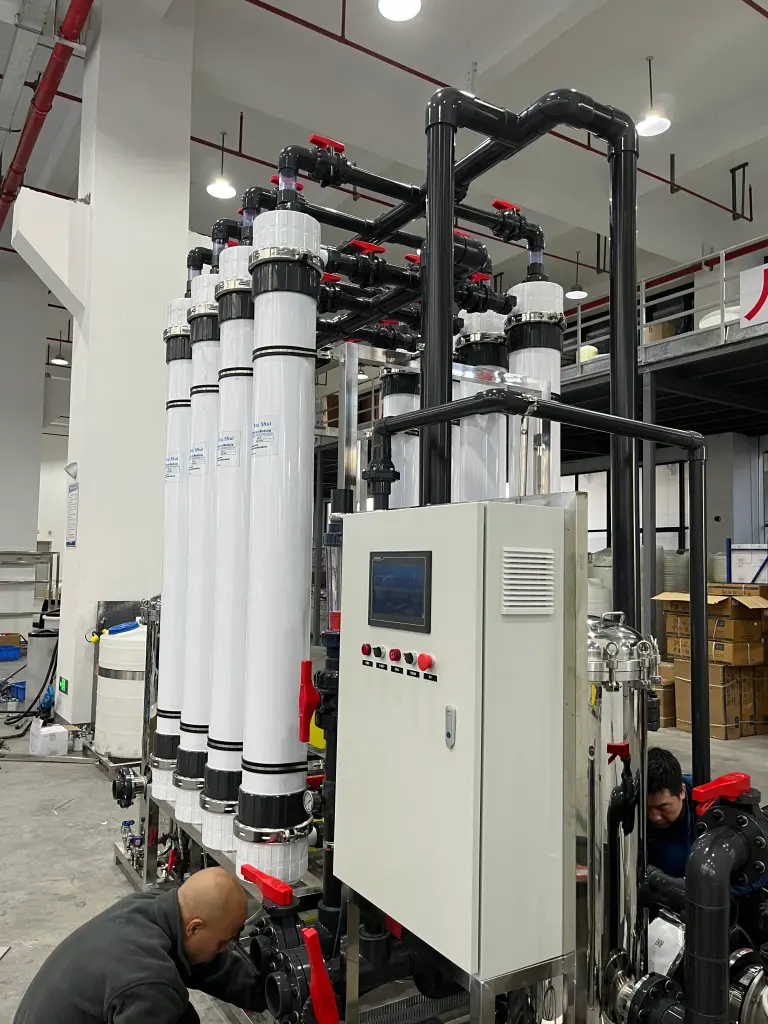
Modern industrial RO systems rely heavily on automatic monitoring and control. Important operating parameters include feed pressure, permeate flow, concentrate flow, conductivity, temperature, and pressure differences across the membrane.
Conductivity is particularly useful because it provides an indication of the amount of dissolved ionic material in the product water. An increase in permeate conductivity may indicate membrane deterioration or other operating problems.
Automation allows operators to detect abnormal conditions quickly. Advanced systems can also use data analysis and predictive maintenance to identify potential membrane fouling or equipment failure before serious problems occur.
Cleaning and Maintenance
Regular maintenance is necessary to maintain stable RO performance. Even with effective pretreatment, membranes gradually accumulate contaminants. Chemical cleaning may therefore be required.
The cleaning procedure depends on the type of foulant. Acidic cleaning agents may be used for certain mineral scales, while alkaline cleaning solutions can be effective against some organic and biological contaminants.
Operators should avoid unnecessary cleaning because excessive chemical exposure can shorten membrane life. Instead, cleaning should be based on changes in system performance and established operating criteria.
Economic Considerations
The economic performance of an industrial RO system depends on capital costs, energy consumption, membrane replacement, pretreatment chemicals, maintenance, and concentrate management.
Although RO requires high-pressure pumping and therefore consumes electricity, it can be economically attractive because of its high purification efficiency and relatively compact equipment design.
The cost-effectiveness of RO is particularly significant when purified water can be reused within the facility. Reducing freshwater purchases and wastewater discharge can provide substantial long-term savings.
Conclusion
Reverse osmosis has become an important engineering technology for industrial water treatment. Its applications include process water production, boiler feedwater treatment, cooling systems, and many other industrial processes.
The successful operation of an RO system depends not only on membrane performance but also on effective pretreatment, accurate monitoring, regular maintenance, and proper concentrate management. As industrial facilities increasingly focus on efficiency and water conservation, well-designed RO systems can provide reliable water treatment while helping companies reduce operating costs and improve production reliability.
Need an engineered recommendation?
Send your feed-water analysis and operating target to our engineering team.
Chat on WhatsApp