
Applications of Reverse Osmosis Systems in the Food and Beverage Industry
How RO is used in food and beverage manufacturing — beverage and bottled water production, food processing, dairy, cleaning, boiler feedwater and wastewater reuse, plus the operational challenges involved.
Introduction
Water is one of the most important materials used in the food and beverage industry. It can be an ingredient in the final product, a cleaning medium, a processing fluid, or a source of steam. Therefore, water quality can directly influence product quality, safety, taste, and production efficiency.
Reverse osmosis (RO) is widely used in food and beverage manufacturing because it can remove many dissolved salts and other impurities from water. RO systems provide manufacturers with a consistent source of treated water for different production processes.
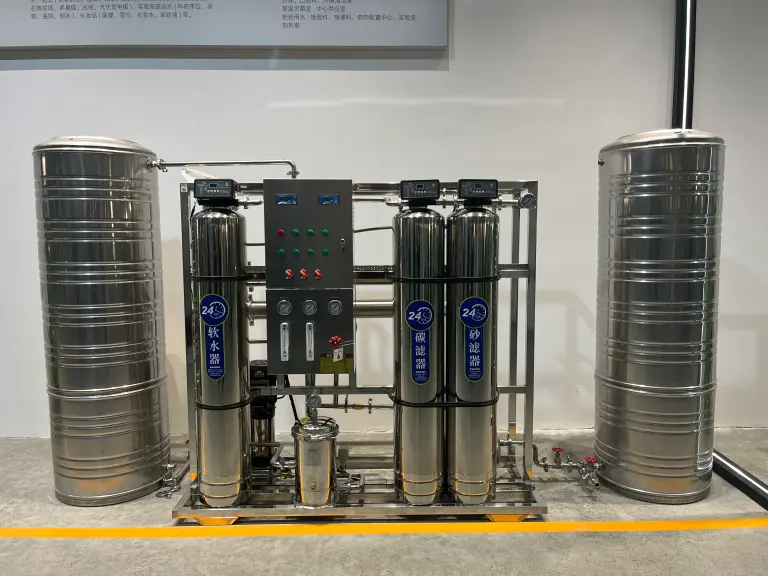
Water Treatment for Beverage Production
Beverage manufacturers require water with consistent characteristics. Natural water quality can vary depending on the source, season, and local conditions.
Variations in mineral concentration may affect the taste and consistency of beverages. RO can reduce dissolved minerals and provide a more controlled starting water quality.
Manufacturers can then adjust the treated water according to the requirements of a particular beverage. This helps maintain more consistent product characteristics.
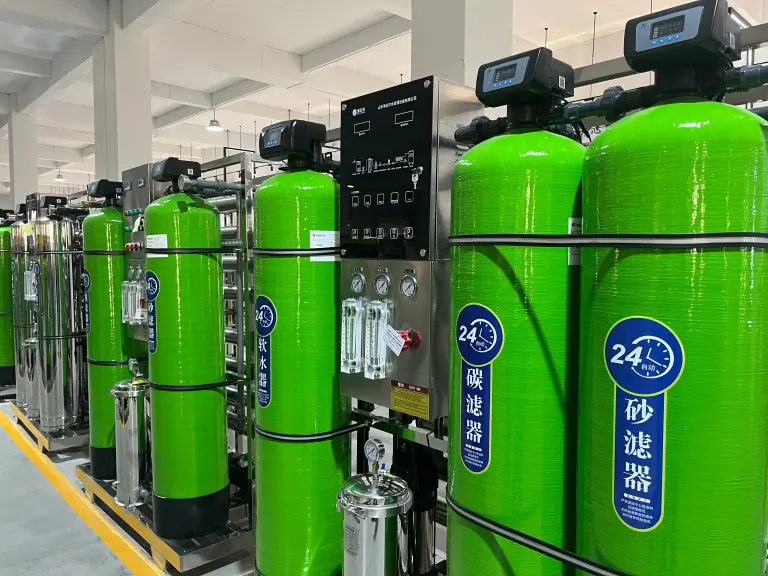
Bottled Water Production
RO technology is commonly used in purified bottled water production. Raw water passes through pretreatment equipment before entering the RO system.
The membrane removes a large proportion of dissolved salts and many other impurities. Depending on the product and process requirements, additional treatment may be applied after RO.
The treatment system must be properly maintained and monitored to ensure consistent water quality.
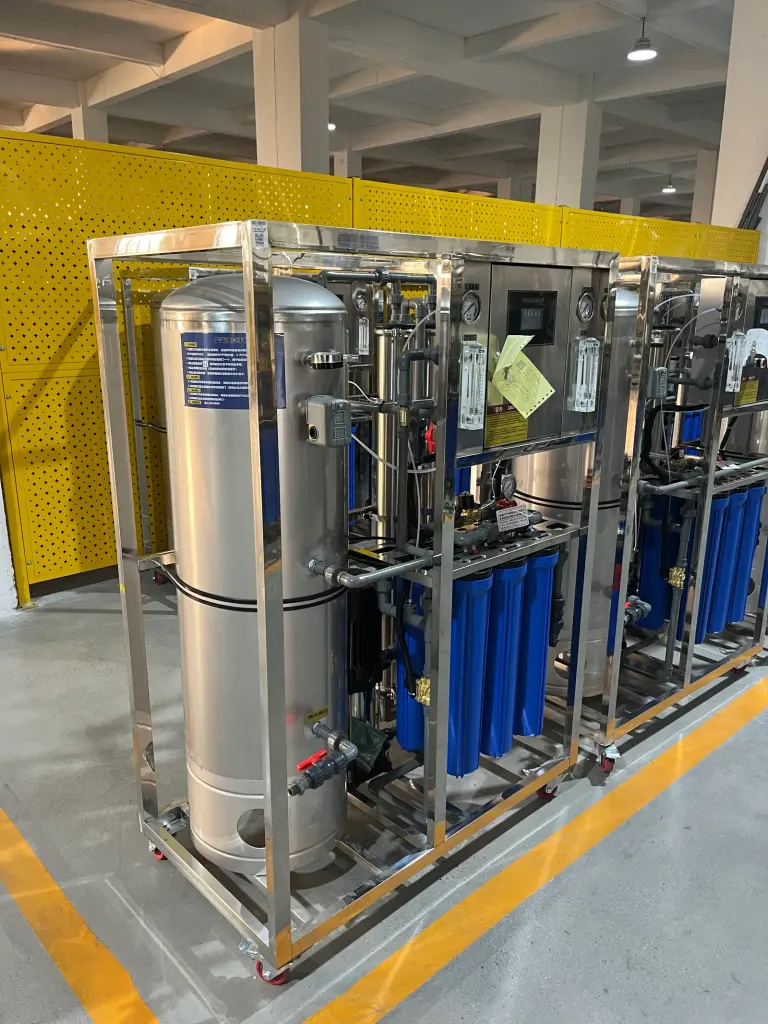
Food Processing
Water is used extensively in food processing for washing ingredients, preparing products, transporting materials, and cleaning equipment.
Poor water quality may introduce unwanted minerals or other contaminants into the production process. RO-treated water can provide a more controlled water source for applications where water quality is important.
Different food products have different water quality requirements. Therefore, an RO system should be designed according to the specific needs of the production facility.
Dairy Industry
Dairy processing facilities use water for cleaning, production, and utility operations. Membrane technologies are also used in certain dairy concentration and separation processes.
RO can remove water from some liquid streams while retaining many larger dissolved components. This makes membrane processing useful in applications where concentration is required.
Compared with processes based entirely on evaporation, membrane concentration can reduce the amount of water that must later be removed thermally in suitable applications.
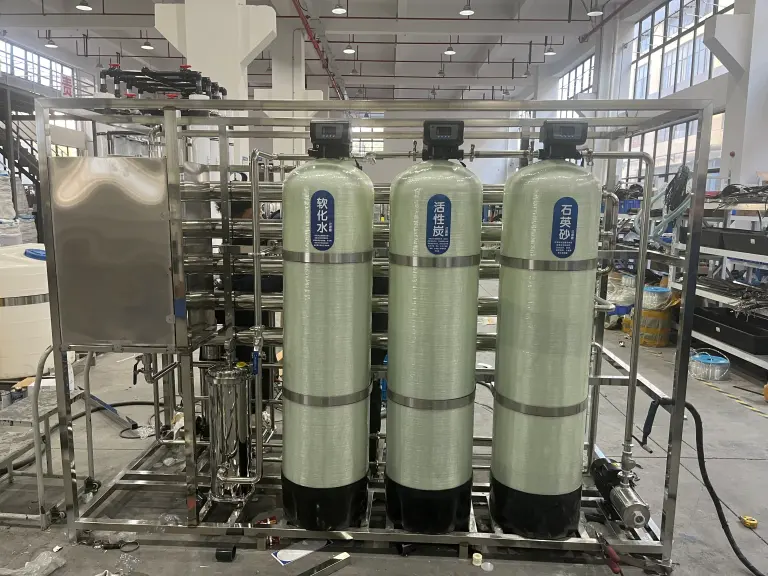
Cleaning Applications
Cleaning is essential in food and beverage manufacturing. Production equipment, tanks, pipes, and processing surfaces must be cleaned regularly.
Water hardness and mineral content can affect cleaning performance. Hardness minerals may form deposits on equipment surfaces and interact with cleaning chemicals.
Using appropriately treated water can improve control of cleaning processes and reduce mineral deposits.
Boiler and Steam Systems
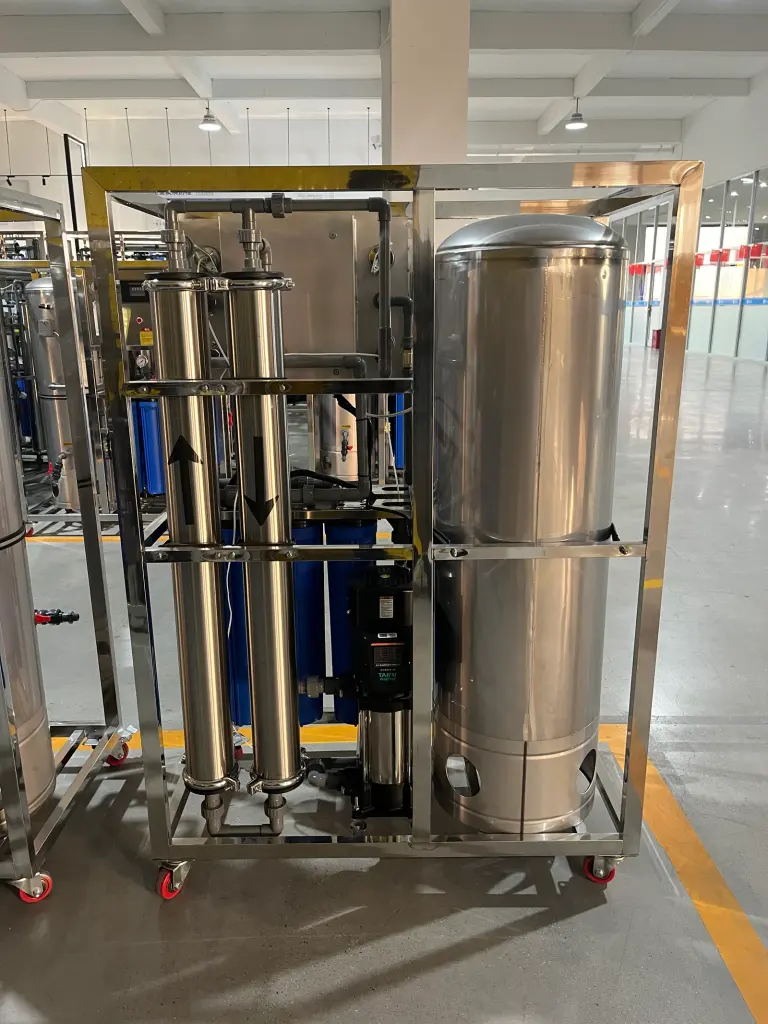
Many food factories use boilers to produce steam. Steam may be required for heating, cooking, sterilization, and other production processes.
Boiler feedwater quality is important because dissolved minerals can form scale inside boiler systems. Scale reduces heat transfer and can increase energy consumption.
RO can reduce dissolved mineral concentrations before the water enters the boiler treatment system. Additional treatment may be required depending on boiler operating conditions.
Wastewater Reuse
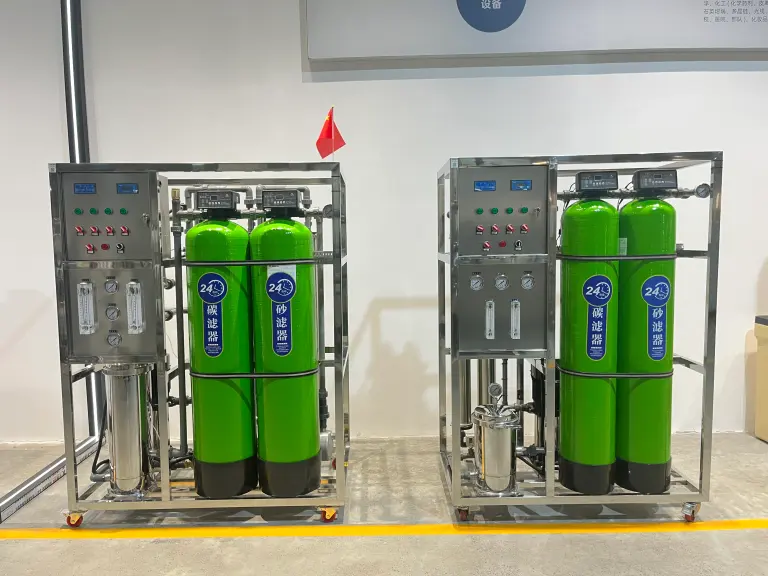
Food and beverage plants can consume large quantities of water and generate significant wastewater volumes. Water reuse is therefore becoming increasingly important.
After appropriate wastewater treatment, RO can be used as an advanced purification step. The resulting reclaimed water may be suitable for selected non-product applications, depending on water quality requirements and applicable regulations.
Water reuse can reduce both freshwater demand and wastewater discharge.
Operational Challenges
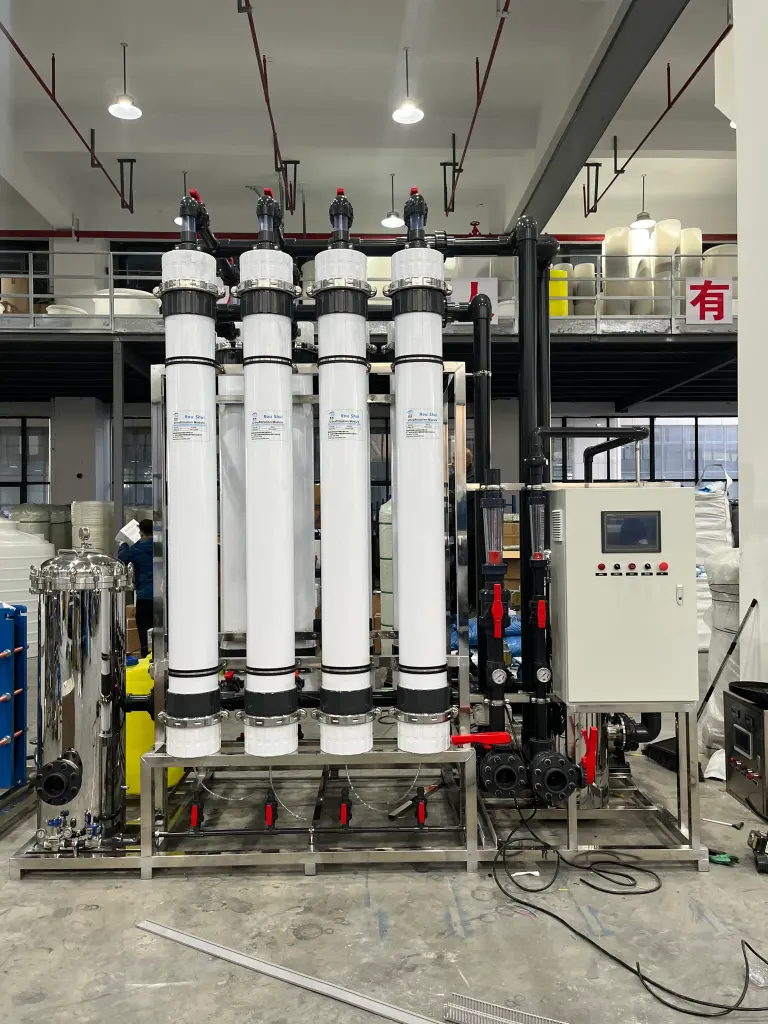
RO systems in food manufacturing require proper operation and maintenance. Membrane fouling can occur if feedwater contains high levels of suspended solids, microorganisms, or organic materials.
Pretreatment is therefore important. Operators must also monitor pressure, flow rate, conductivity, and membrane condition.
Regular cleaning and preventive maintenance can help maintain stable system performance.
Benefits to the Industry
RO systems offer several benefits to food and beverage manufacturers. They provide consistent water quality, reduce dissolved minerals, protect some types of equipment from scaling, and support water recycling.
However, the benefits depend on correct system design and operation. Water quality requirements should be clearly defined before selecting an RO system.
Conclusion
Reverse osmosis has many applications in the food and beverage industry. It can be used for ingredient water, bottled water production, food processing, cleaning, boiler feedwater treatment, and wastewater reuse.
The ability to produce consistent treated water makes RO valuable for industries where water quality can affect production and final products.
With effective pretreatment, monitoring, and maintenance, RO systems can support reliable production while also helping food and beverage manufacturers improve water efficiency.
Need an engineered recommendation?
Send your feed-water analysis and operating target to our engineering team.
Chat on WhatsApp