Applications of Reverse Osmosis Systems in Modern Manufacturing Industries
How RO systems are used across manufacturing — automotive, electronics, metal processing, textile and chemical production — plus equipment protection, quality control and economic considerations.
Introduction
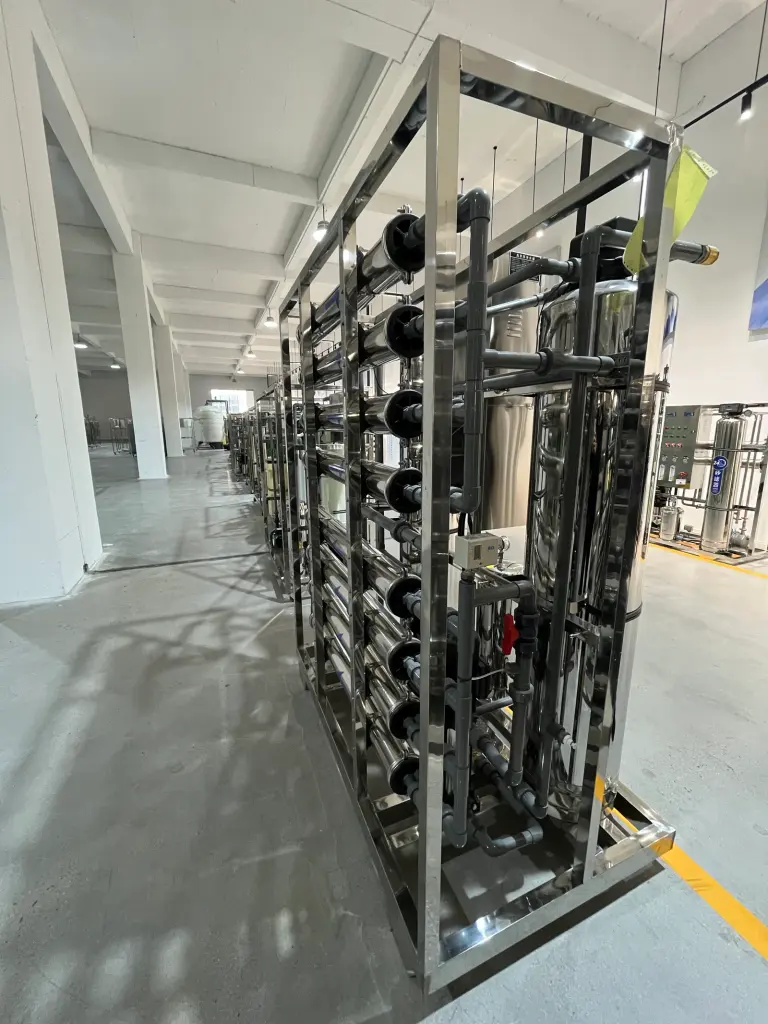
Water plays an essential role in modern manufacturing. It is used for cooling, cleaning, rinsing, steam production, chemical preparation, and many production processes. However, untreated water may contain dissolved salts, minerals, microorganisms, suspended particles, and organic substances. These contaminants can affect product quality, damage equipment, and increase maintenance costs.
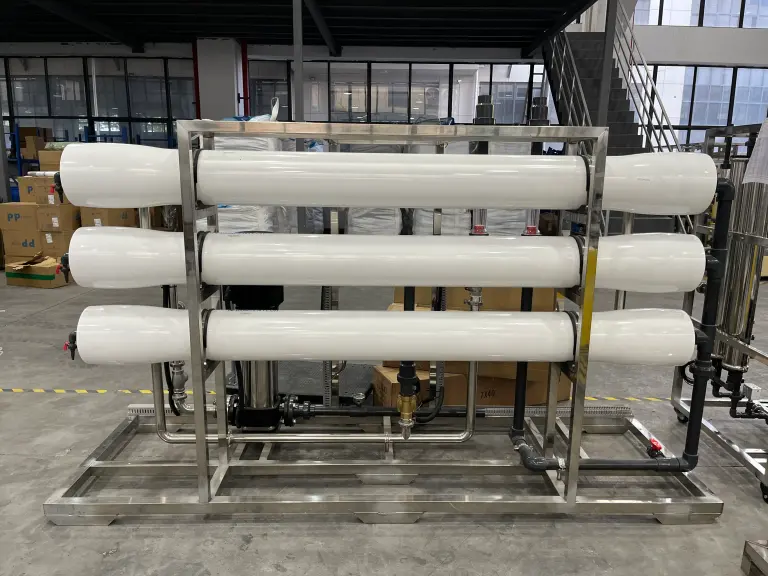
Reverse osmosis (RO) has become one of the most important technologies for producing high-quality industrial water. RO systems use pressure and semi-permeable membranes to separate water from dissolved contaminants. Because of their high separation efficiency and flexibility, RO systems are used in many manufacturing industries, including automotive, electronics, metal processing, chemical production, and textile manufacturing.
RO Systems in Automotive Manufacturing
Automotive factories use large amounts of water during vehicle production. Water is required for surface preparation, painting, rinsing, cooling, and equipment cleaning.
Water quality is especially important during painting and surface treatment. High concentrations of minerals can leave deposits on metal surfaces and negatively affect coating quality. RO-treated water has a low concentration of dissolved solids and can therefore be used for final rinsing before painting or coating.
RO water can also be used in cooling systems and other production processes. By maintaining consistent water quality, manufacturers can reduce the risk of deposits and improve production reliability.
Electronics Manufacturing
The electronics industry has very strict water quality requirements. Components such as semiconductor wafers, circuit boards, and electronic devices can be sensitive to very small quantities of contaminants.
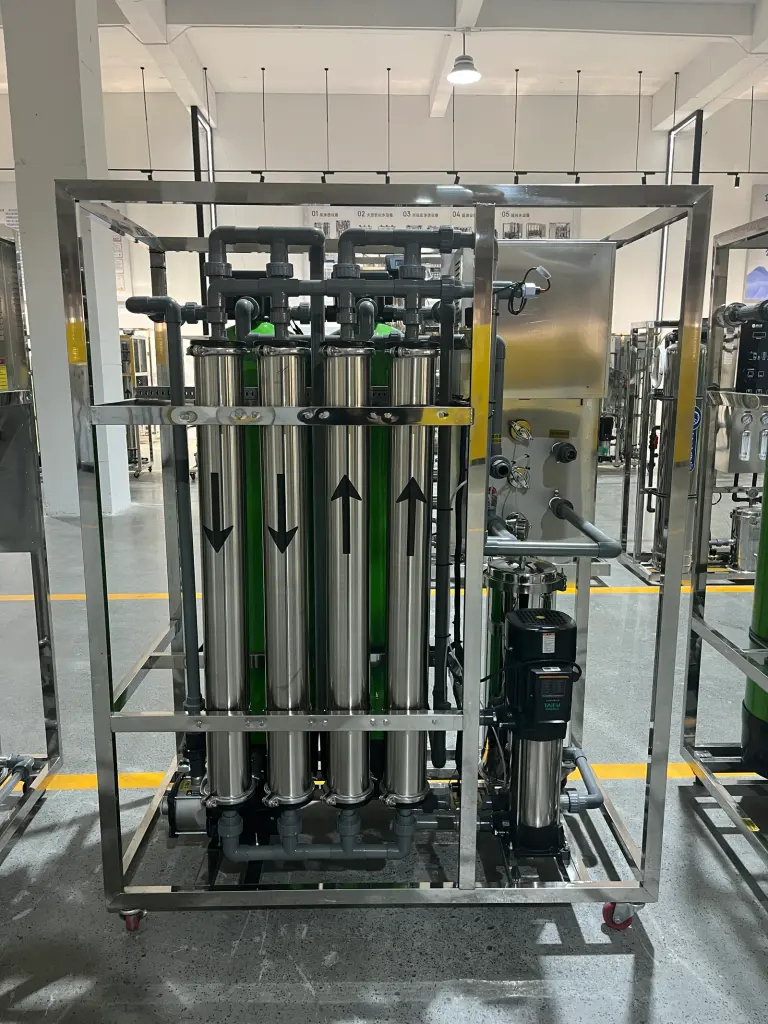
RO is commonly used as one stage in an ultrapure water treatment system. The RO membrane removes a large proportion of dissolved salts and other impurities before the water passes through additional purification processes.
The resulting high-purity water can be used for washing and rinsing electronic components. Reliable water purification is important because contamination can reduce product performance and increase manufacturing defects.
Metal Processing
Metal processing facilities use water for cleaning, surface preparation, electroplating, cutting, and cooling. Minerals in untreated water can create deposits and interfere with some surface treatment processes.
RO systems can produce low-mineral water for rinsing metal components after chemical treatment. This helps reduce water spots and mineral deposits on finished products.
In addition, wastewater from metal processing may sometimes be treated and reused. RO can be included as an advanced treatment step to remove dissolved contaminants from previously treated wastewater.
Textile Manufacturing
Textile production also requires large quantities of water, particularly during washing, bleaching, dyeing, and finishing.
The mineral content of process water can influence chemical reactions and dyeing performance. For example, hardness minerals may react with processing chemicals and affect the consistency of textile products.
RO treatment can provide water with more stable chemical characteristics. This allows manufacturers to maintain better control over production conditions and potentially reduce variations in product quality.
Chemical Manufacturing
Chemical manufacturing plants often need water for preparing solutions, producing chemicals, cleaning equipment, and generating steam.
In some chemical processes, unwanted dissolved minerals can interfere with reactions or contaminate final products. RO systems can reduce these impurities and provide more consistent process water.
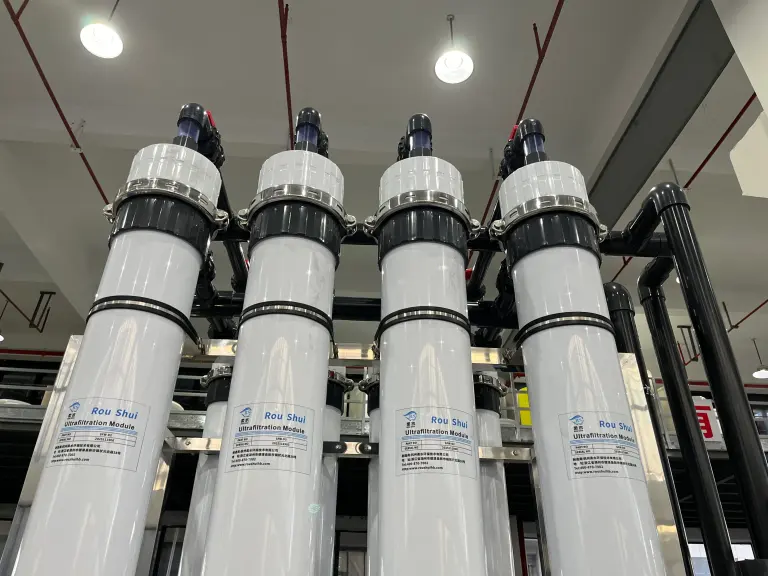
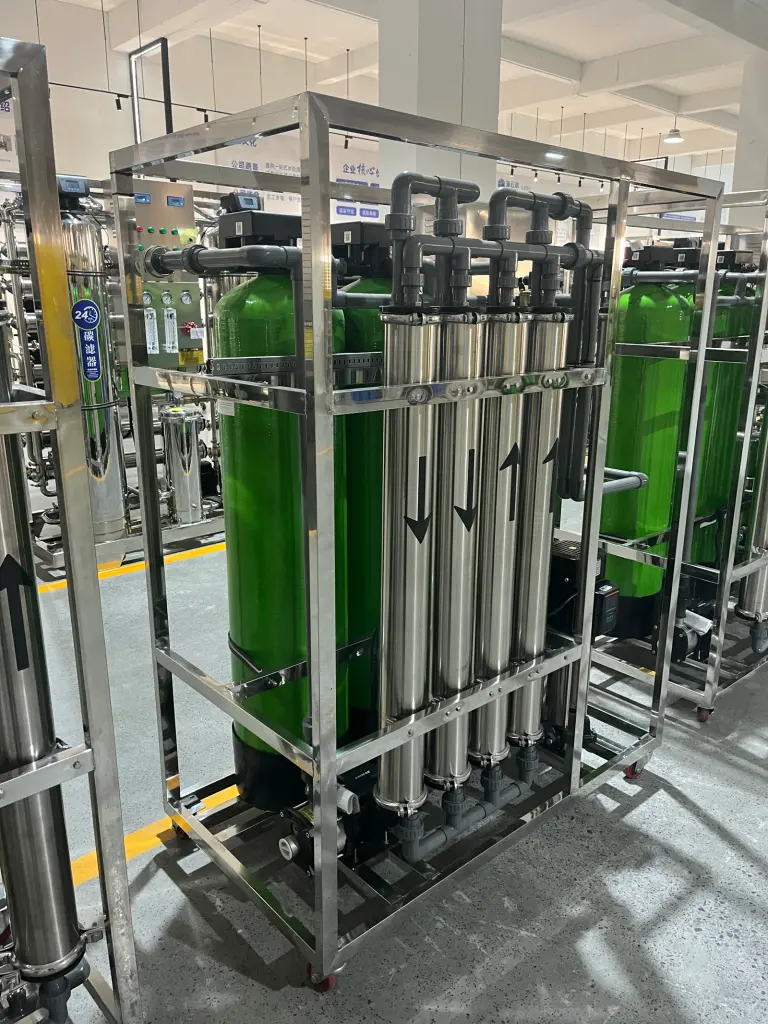
RO can also be combined with technologies such as ion exchange, ultrafiltration, and electrodeionization when higher levels of purification are necessary.
Equipment Protection
An important benefit of using RO in manufacturing is the protection of industrial equipment. Hard water and water with high concentrations of dissolved salts can cause scaling and deposits inside pipes, boilers, heat exchangers, and cooling equipment.
These deposits can reduce heat transfer and increase energy consumption. They may also increase maintenance requirements and equipment downtime.
By reducing dissolved mineral concentrations, RO treatment can help control these problems and improve the long-term reliability of industrial equipment.
Quality Control
Consistent water quality is important for maintaining consistent product quality. Changes in raw water composition can create variations in manufacturing processes.
An RO system provides a controlled treatment barrier between the raw water source and the production process. Operators can monitor conductivity, pressure, flow rate, and other parameters to ensure that the treated water meets production requirements.
Automatic monitoring systems can also alert operators when membrane performance begins to decrease.
Economic Considerations
Installing an industrial RO system requires capital investment, and operating costs include electricity, membrane replacement, chemicals, maintenance, and pretreatment.
However, these costs should be compared with the potential benefits. Better water quality can reduce equipment scaling, improve product consistency, decrease maintenance requirements, and enable water reuse.
In facilities with high water consumption, recycling RO-treated wastewater may also reduce the cost of purchasing freshwater and treating wastewater.
Conclusion
Reverse osmosis technology has become an important part of modern manufacturing. Automotive factories, electronics manufacturers, metal processing facilities, textile factories, and chemical plants can all benefit from controlled water quality.
RO systems can support product quality, protect industrial equipment, and create opportunities for water recycling. Their successful application depends on appropriate system design, pretreatment, monitoring, and maintenance.
As manufacturers continue to improve production efficiency and reduce water consumption, RO technology is expected to remain an important component of industrial water treatment systems.
Need an engineered recommendation?
Send your feed-water analysis and operating target to our engineering team.
Chat on WhatsApp