RO Membrane Technology, Fouling and Maintenance in Industrial Water Treatment
How industrial RO membranes work and how to keep them performing — fouling and biofouling, scaling, pretreatment, performance monitoring, cleaning in place and preventive maintenance.
Introduction
Reverse osmosis (RO) systems are widely used in industrial water treatment because they can remove a large proportion of dissolved salts and many other contaminants from water. The membrane is the most important component of an RO system because it performs the separation between purified water and rejected contaminants.
However, RO membranes operate under demanding conditions. During long-term operation, contaminants may accumulate on the membrane surface and reduce system performance. Understanding membrane technology, fouling, scaling, cleaning, and maintenance is therefore essential for the successful operation of industrial RO systems.
RO Membrane Technology
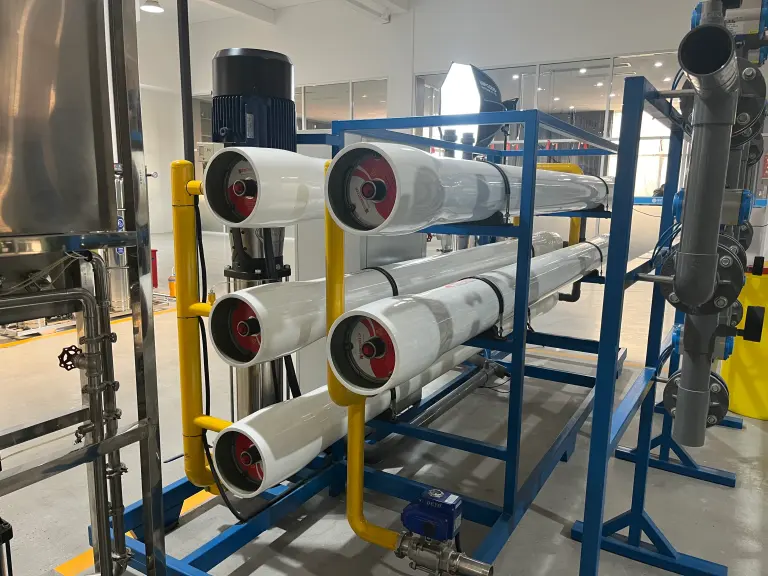
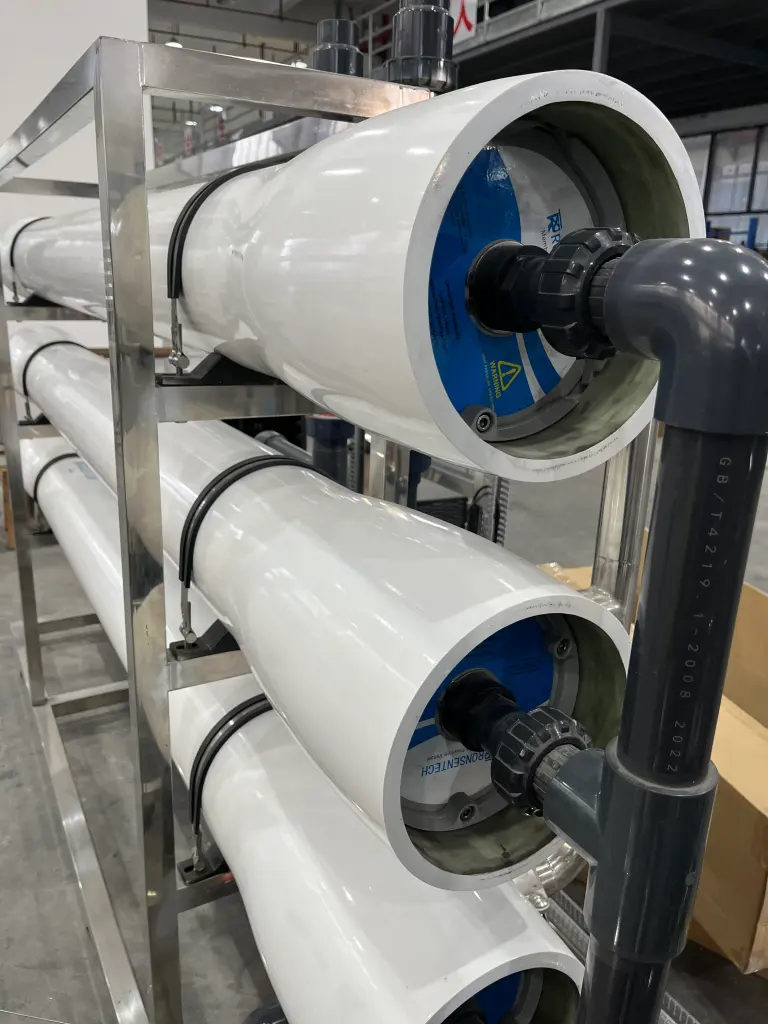
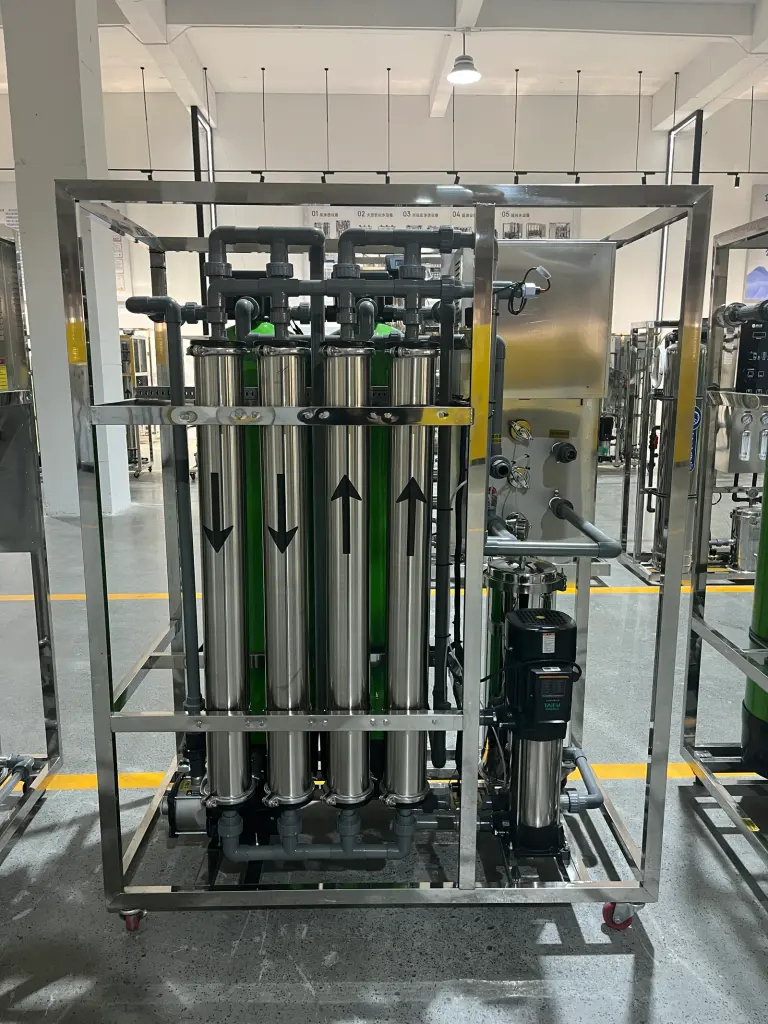
An RO membrane is a semi-permeable barrier that allows water to pass through while rejecting many dissolved substances. Industrial RO membranes are commonly installed inside pressure vessels as spiral-wound membrane elements.
Feedwater enters the membrane system under pressure. Part of the water passes through the membrane and becomes permeate, while the remaining water carries rejected contaminants away as concentrate.
Membrane performance depends on several factors, including operating pressure, temperature, feedwater composition, recovery rate, and membrane condition.
Membrane Fouling
Membrane fouling is one of the most common operational problems in industrial RO systems. Fouling occurs when unwanted materials accumulate on the membrane surface.
Suspended solids, colloidal particles, organic substances, and microorganisms can all contribute to membrane fouling. As these materials accumulate, water has greater difficulty passing through the membrane.
The system may consequently require higher pressure to maintain the required water production. If fouling becomes severe, permeate flow and water quality can deteriorate.
Biological Fouling
Biological fouling, or biofouling, occurs when microorganisms grow on membrane surfaces and form biological deposits.
This problem can be particularly difficult to control because microorganisms can reproduce and form biofilms. Biofilms can reduce membrane performance and increase the pressure difference across the membrane system.
Effective pretreatment and proper system operation are important for controlling biological growth. The specific treatment method must also be compatible with the membrane material.
Membrane Scaling
Scaling is different from general fouling. It occurs when dissolved minerals become concentrated and precipitate on the membrane surface.
As water passes through an RO membrane, rejected salts become more concentrated in the remaining feed stream. Under certain conditions, minerals may exceed their solubility limits and form solid deposits.
Scaling can reduce permeate production and damage system performance. Industrial plants commonly control scaling through feedwater conditioning, appropriate recovery rates, and antiscalant dosing.
Importance of Pretreatment
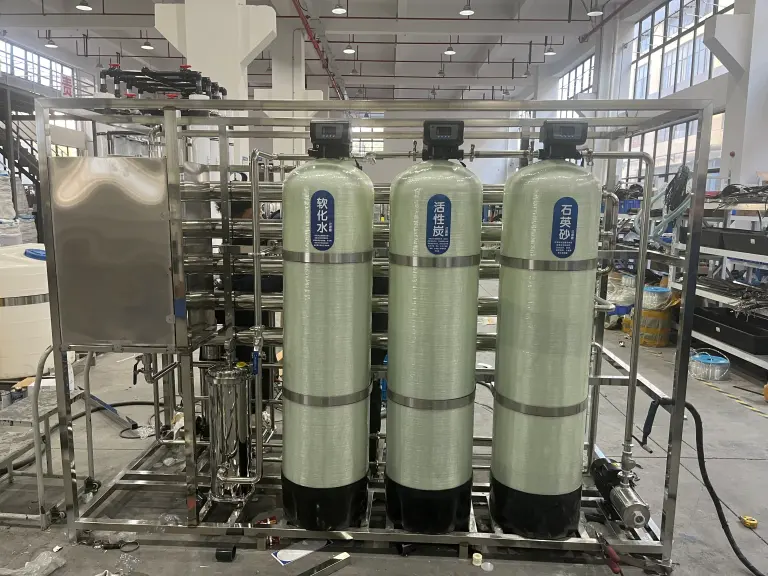
Good pretreatment is one of the most effective methods of protecting RO membranes. The required pretreatment depends on the source and quality of the feedwater.
Filtration can remove suspended particles. Activated carbon or other dechlorination methods may be used where oxidants could damage certain membrane materials. Water softening or antiscalant dosing can help control mineral scaling.
Pretreatment design should therefore be based on a detailed analysis of feedwater characteristics rather than using the same treatment process for every application.
Monitoring RO Performance
Industrial RO systems should be monitored continuously. Important parameters include feed pressure, concentrate pressure, permeate pressure, flow rates, conductivity, temperature, and pressure drop.
Operators should compare current performance with established baseline conditions. A gradual reduction in normalized permeate flow or an increase in pressure drop may indicate membrane fouling.
Similarly, deterioration in salt rejection may indicate membrane damage, leakage, or other system problems.
Accurate operating records are useful because they allow engineers to identify trends before a serious failure occurs.
Membrane Cleaning
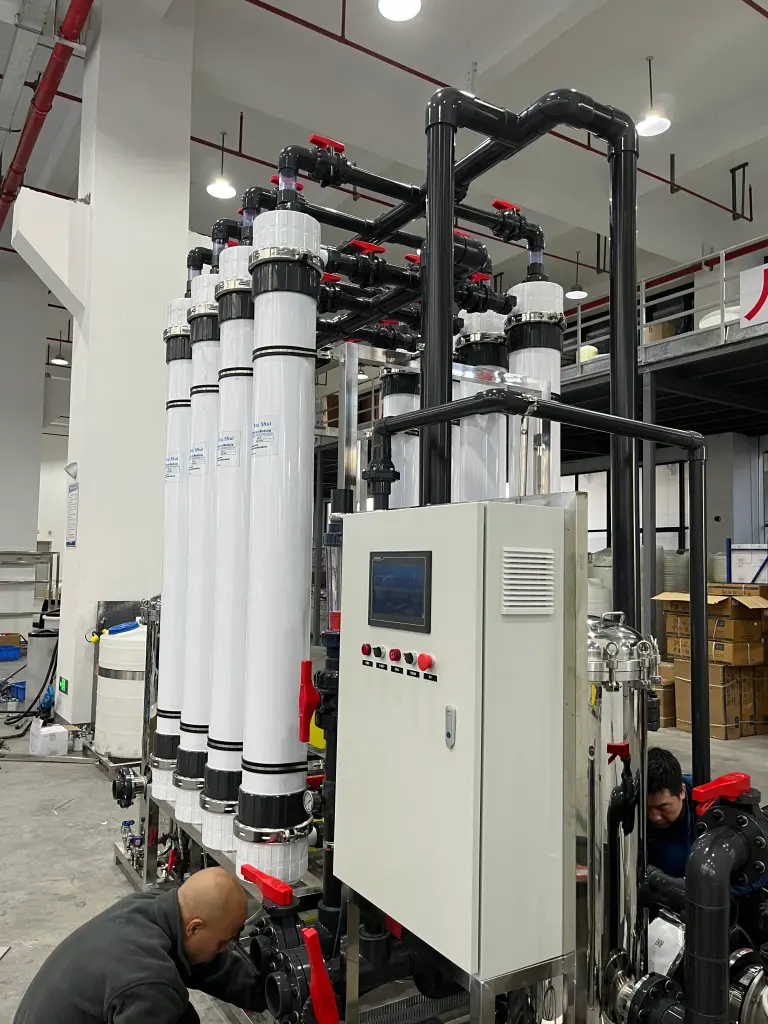
When membrane performance decreases because of fouling or scaling, chemical cleaning may be required. This process is commonly known as cleaning in place (CIP).
Different contaminants require different cleaning conditions. Some mineral deposits may respond to acidic cleaning solutions, while certain organic contaminants may require alkaline cleaning.
The cleaning procedure should follow the recommendations for the specific membrane and system. Incorrect chemical concentration, temperature, or pH can damage the membrane.
Preventive Maintenance
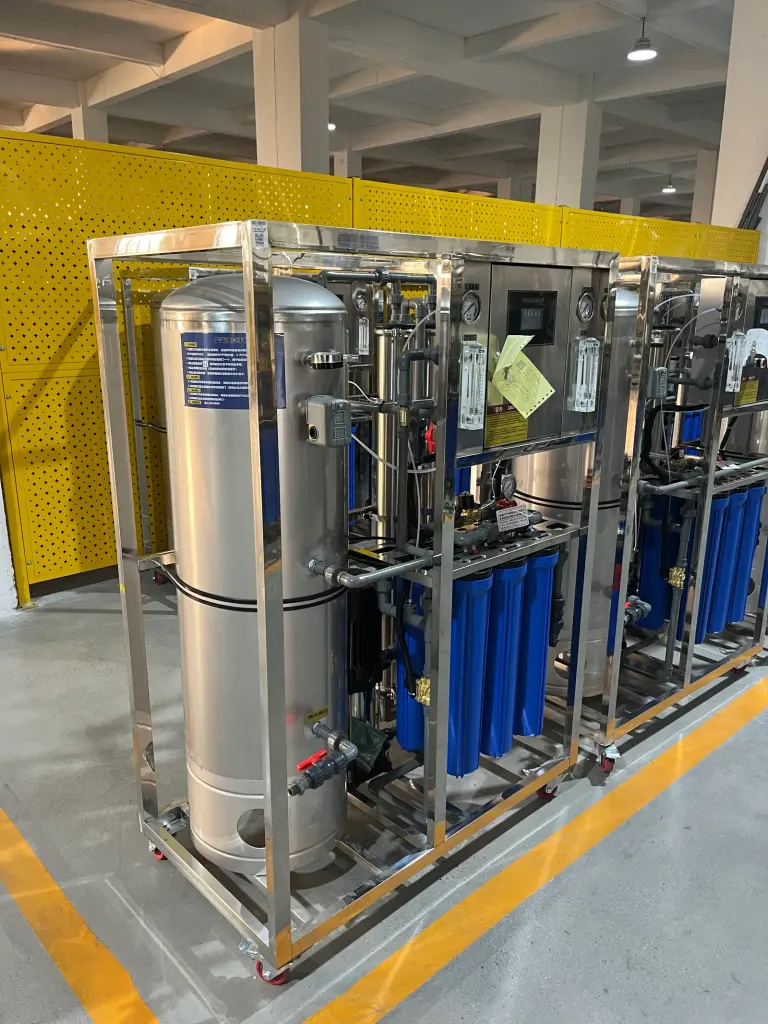
Preventive maintenance is more effective than waiting for a major system failure. Operators should regularly inspect pumps, filters, instruments, valves, pressure vessels, and chemical dosing equipment.
Cartridge filters should be replaced when necessary, and sensors should be calibrated to maintain accurate measurements. Chemical dosing systems should also be inspected to ensure that the correct dosage is being applied.
Good maintenance practices can reduce unexpected shutdowns and extend the useful life of RO equipment.
Improving Membrane Life
Several strategies can help increase membrane life. The first is effective pretreatment. The second is operating the system within its recommended pressure, flow, and recovery conditions.
Regular monitoring is also important because early detection of fouling allows operators to take corrective action before the problem becomes severe.
Finally, cleaning should be performed when required using suitable chemicals and procedures. A well-maintained membrane can provide reliable performance for a longer period and reduce overall operating costs.
Conclusion
The membrane is the central component of an industrial reverse osmosis system. Although RO membranes provide highly effective water purification, their performance can be affected by fouling, scaling, biological growth, and improper operation.
Effective pretreatment, continuous monitoring, appropriate chemical cleaning, and preventive maintenance are essential for reliable RO operation.
Industrial facilities that manage their membranes carefully can improve water quality, reduce downtime, control operating costs, and extend membrane service life. Therefore, membrane management should be considered an essential part of industrial RO system operation.
Need an engineered recommendation?
Send your feed-water analysis and operating target to our engineering team.
Chat on WhatsApp