
The Role of Reverse Osmosis Systems in Sustainable Industrial Water Management
How reverse osmosis supports sustainable industrial water management — wastewater reuse, zero liquid discharge, desalination, environmental benefits, energy consumption and concentrate management.
Introduction
Industrial development has greatly increased the demand for freshwater around the world. Factories require water for manufacturing, cooling, cleaning, steam generation, and many other activities. At the same time, industrial wastewater can contain high concentrations of salts, chemicals, organic substances, and other pollutants. The increasing pressure on freshwater resources has made water conservation and wastewater reuse important goals for modern industries.
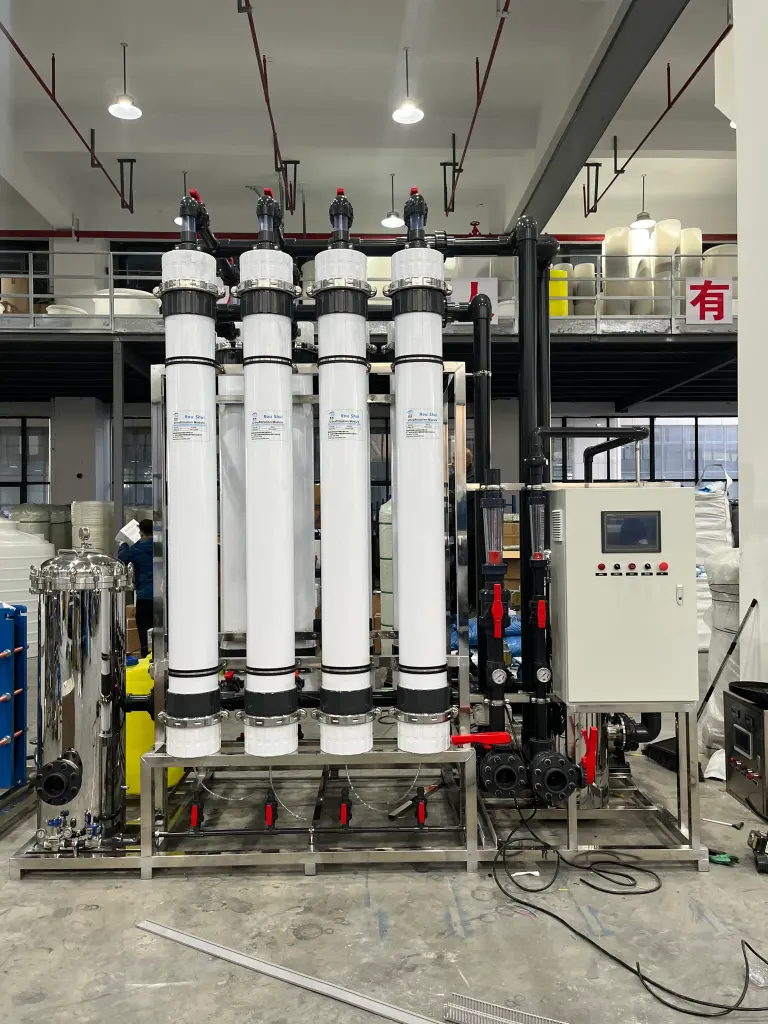
Reverse osmosis (RO) is an important technology that can support sustainable industrial water management. By using a semi-permeable membrane to separate water from dissolved contaminants, RO can produce high-quality water from different sources. It can also be integrated into wastewater treatment systems to enable water recycling and reduce freshwater consumption.
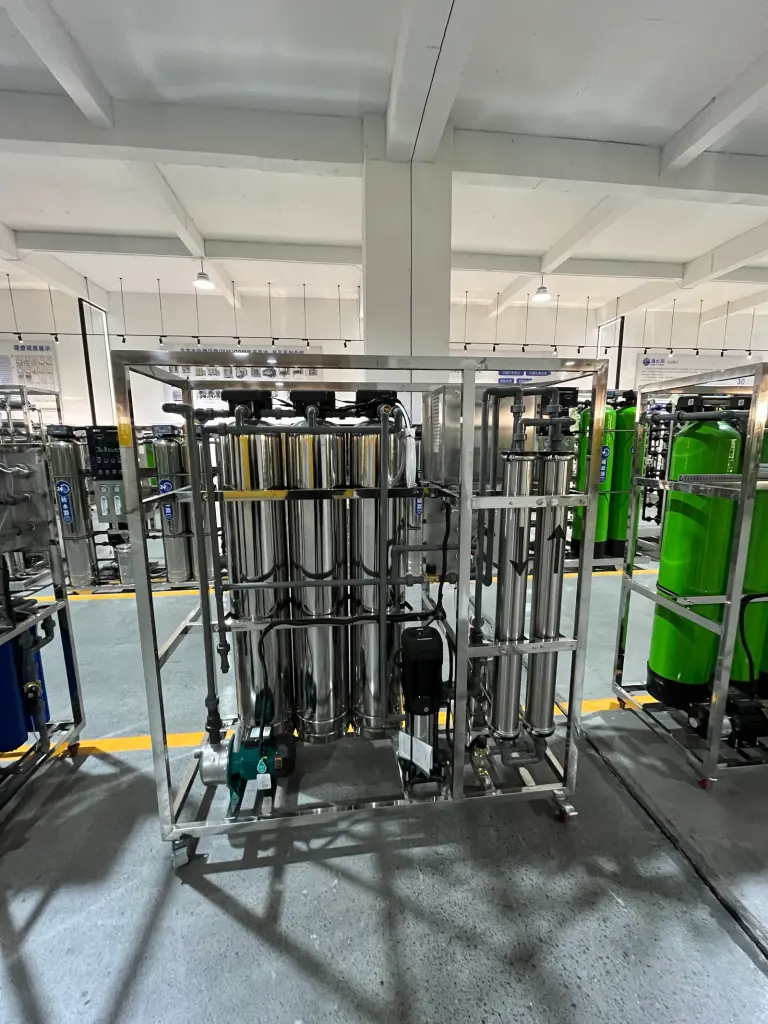
Industrial Water Consumption
Many industrial facilities consume significant quantities of freshwater. Traditional water management systems often follow a linear model in which freshwater enters a factory, is used in production, and is then discharged as wastewater.
This approach can create two major environmental problems. First, large amounts of freshwater are consumed. Second, wastewater containing dissolved contaminants may require extensive treatment before it can be safely discharged.
RO technology provides an opportunity to move from a linear model toward a more circular approach. Instead of treating water as a single-use resource, industries can recover and reuse treated water.
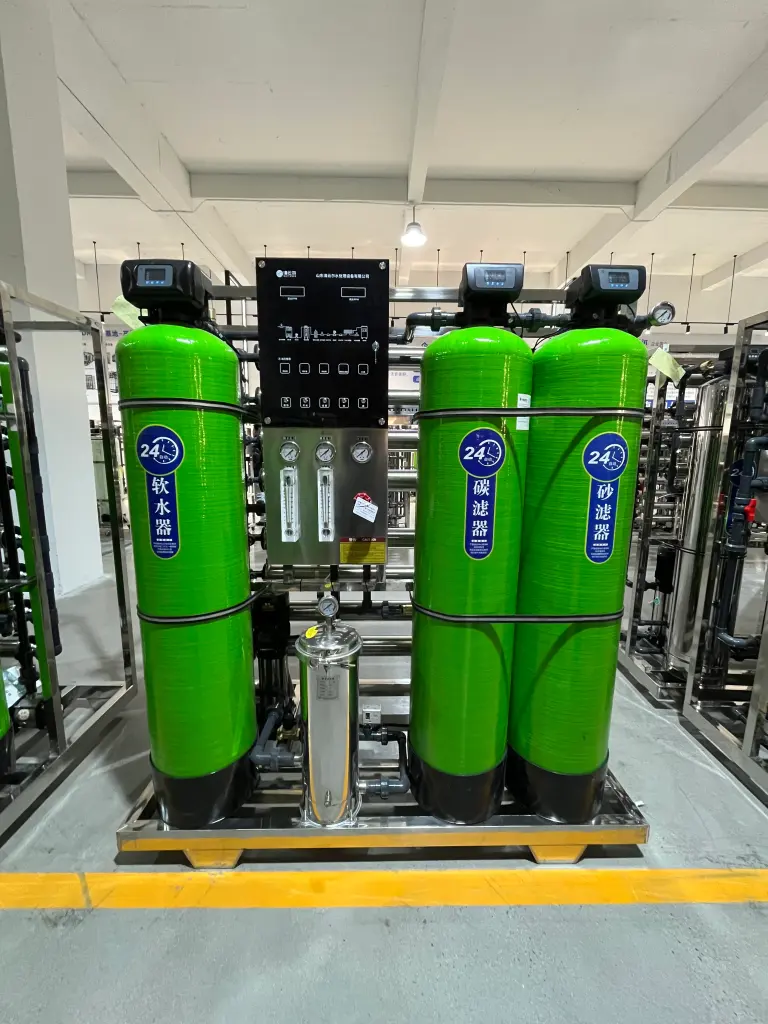
Wastewater Reuse
One of the most important environmental applications of RO is industrial wastewater reuse. After conventional treatment, wastewater may still contain significant amounts of dissolved salts and other contaminants. RO can further purify this water and produce a stream suitable for reuse.
For example, reclaimed water can potentially be used as cooling tower makeup water, boiler feedwater after additional treatment, equipment cleaning water, or process water.
Water recycling can significantly reduce the amount of freshwater required by an industrial facility. It can also reduce the volume of wastewater discharged into the environment.
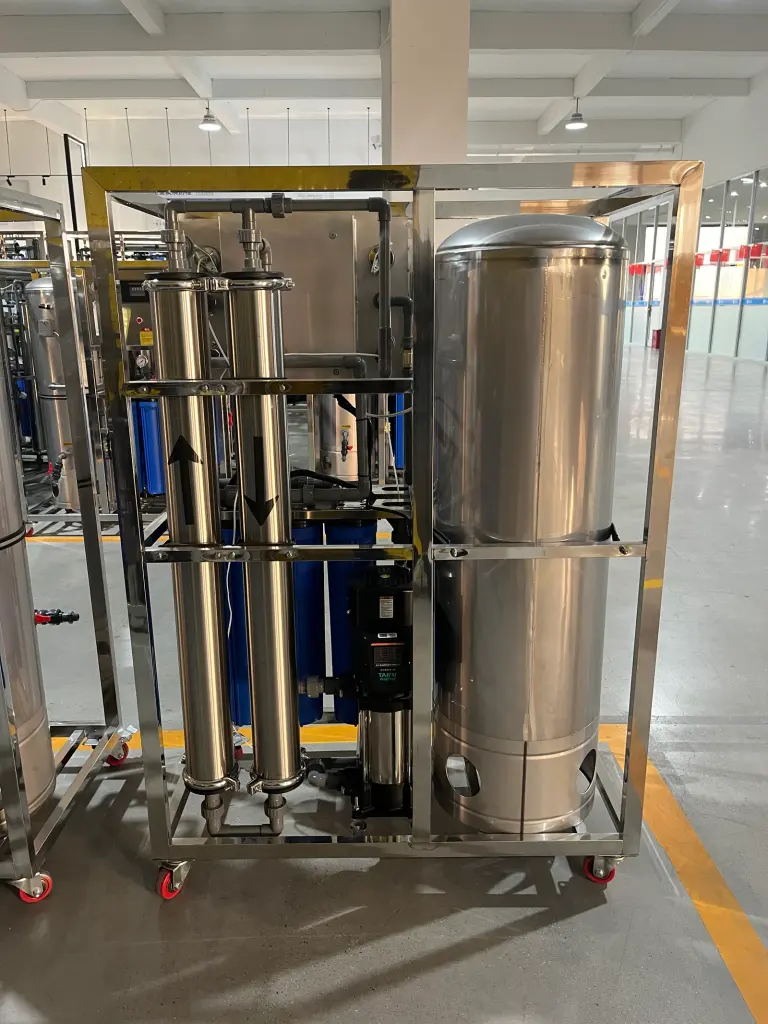
Zero Liquid Discharge
RO can also be an important component of zero liquid discharge (ZLD) systems. The objective of ZLD is to recover as much water as possible while minimizing or eliminating liquid wastewater discharge.
In a typical ZLD system, RO first removes a substantial amount of water from a wastewater stream. The remaining concentrated stream is then treated using additional technologies, such as evaporators and crystallizers.
Although ZLD systems can be expensive and energy-intensive, they can be valuable in industries where wastewater contains high levels of dissolved salts or where environmental regulations restrict liquid discharge.
Desalination for Industrial Use
RO is also widely used for desalination. Seawater and brackish water contain high concentrations of dissolved salts and therefore cannot normally be used directly for many industrial processes.
Seawater RO systems apply high pressure to force water through specialized membranes. The membrane allows water molecules to pass while rejecting most dissolved salts.
Industrial desalination can provide an alternative water source in areas where freshwater resources are limited. This can reduce dependence on rivers, lakes, and underground water sources.
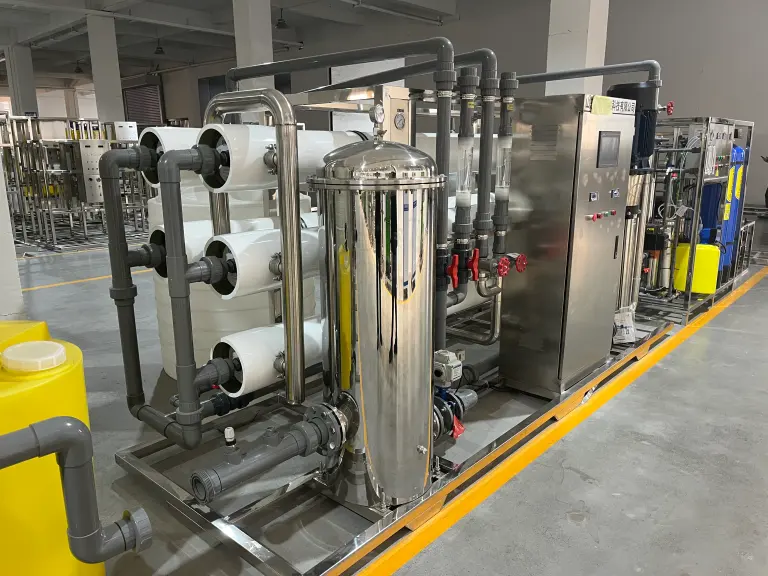
Environmental Benefits
The use of RO can provide several environmental benefits. The most obvious is the reduction of freshwater consumption through water reuse and recycling.
RO can also help reduce the discharge of dissolved contaminants. When properly integrated with other treatment technologies, it can improve the quality of reclaimed industrial water.
Furthermore, using recycled water can reduce the environmental pressure associated with extracting and transporting freshwater. For water-intensive industries, this can contribute to broader sustainability objectives.
Energy Consumption and Sustainability Challenges
Despite its environmental benefits, RO is not completely without environmental costs. The process requires pressure to overcome osmotic pressure, which means that energy is needed to operate high-pressure pumps.
Energy consumption is especially important when treating seawater because seawater has a high salt concentration and requires relatively high operating pressures.
For this reason, improving energy efficiency is a major area of RO research and development. Energy recovery devices, improved membrane materials, optimized operating conditions, and renewable energy integration can all help reduce the environmental impact of RO systems.
Concentrate Management
Another challenge is the management of RO concentrate. The concentrate contains the contaminants that have been rejected by the membrane, so its salt and contaminant concentrations are higher than those of the original feedwater.
Industrial facilities must therefore determine an appropriate method for handling this stream. Depending on local regulations and water chemistry, concentrate may be further treated, reused in another process, evaporated, or disposed of using an approved method.
Effective concentrate management is essential for ensuring that RO contributes to sustainable water treatment rather than simply transferring contaminants from one stream to another.
Future Role of RO in Industry
The future of industrial RO technology is closely connected to the development of sustainable water management. Industries are increasingly interested in reducing water consumption, increasing water reuse, and improving resource efficiency.
Future RO systems are expected to use more efficient membranes and advanced monitoring technologies. Artificial intelligence and automated control may also help optimize operating conditions, predict membrane fouling, and reduce unnecessary energy and chemical consumption.
The integration of RO with other technologies will also become increasingly important. Combining RO with biological treatment, ultrafiltration, ion exchange, advanced oxidation, or other purification processes can provide more complete treatment solutions for complex industrial wastewater.
Conclusion
Reverse osmosis is an important technology for addressing the growing challenge of industrial water management. Its ability to remove dissolved contaminants makes it suitable for desalination, wastewater reuse, process water production, and zero liquid discharge systems.
Although energy consumption and concentrate management remain important challenges, improvements in membrane technology, energy recovery, and system automation are making RO increasingly efficient.
As industries move toward more sustainable production models, RO systems can play a significant role in reducing freshwater consumption, increasing water recycling, and minimizing wastewater discharge. Therefore, reverse osmosis is likely to remain an important technology in the future of sustainable industrial water management.
Need an engineered recommendation?
Send your feed-water analysis and operating target to our engineering team.
Chat on WhatsApp