
Industrial RO System Design and Engineering
Engineering considerations for industrial RO systems — raw water analysis, capacity design, membrane selection, pump and pressure design, recovery rate, pretreatment, system layout and piping.
Introduction
Reverse osmosis (RO) is one of the most widely used technologies in industrial water treatment. It is applied in power plants, manufacturing facilities, pharmaceutical factories, food processing plants, and many other industries.
A properly designed RO system is important for achieving stable water quality, reducing operating costs, and extending equipment service life. The design process involves several engineering considerations, including raw water quality, system capacity, membrane selection, operating pressure, recovery rate, and pretreatment requirements.
Raw Water Analysis
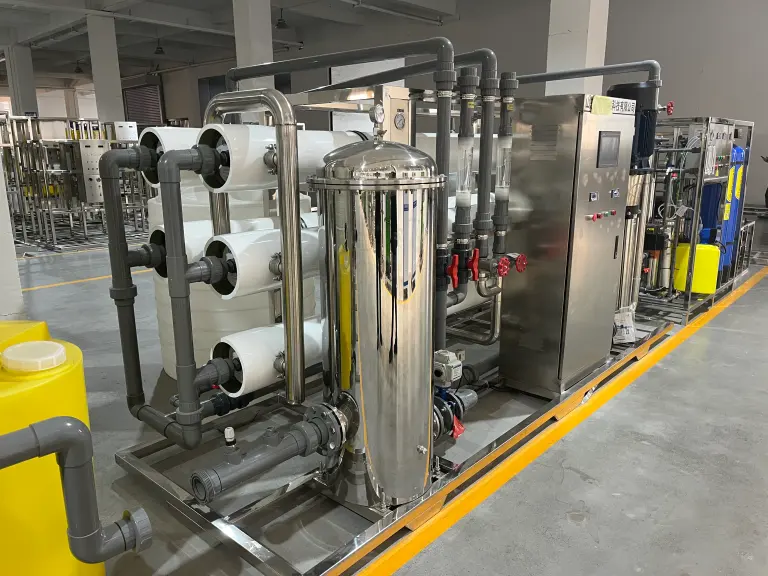
The first step in RO system design is analyzing the raw water quality. Different water sources contain different concentrations of dissolved salts, suspended solids, organic compounds, and microorganisms.
Important parameters include total dissolved solids (TDS), pH, hardness, turbidity, conductivity, and temperature.
Water analysis helps engineers determine the appropriate pretreatment process and select suitable RO membranes.
Without proper water analysis, the system may experience membrane fouling, scaling, or unstable operation.
System Capacity Design
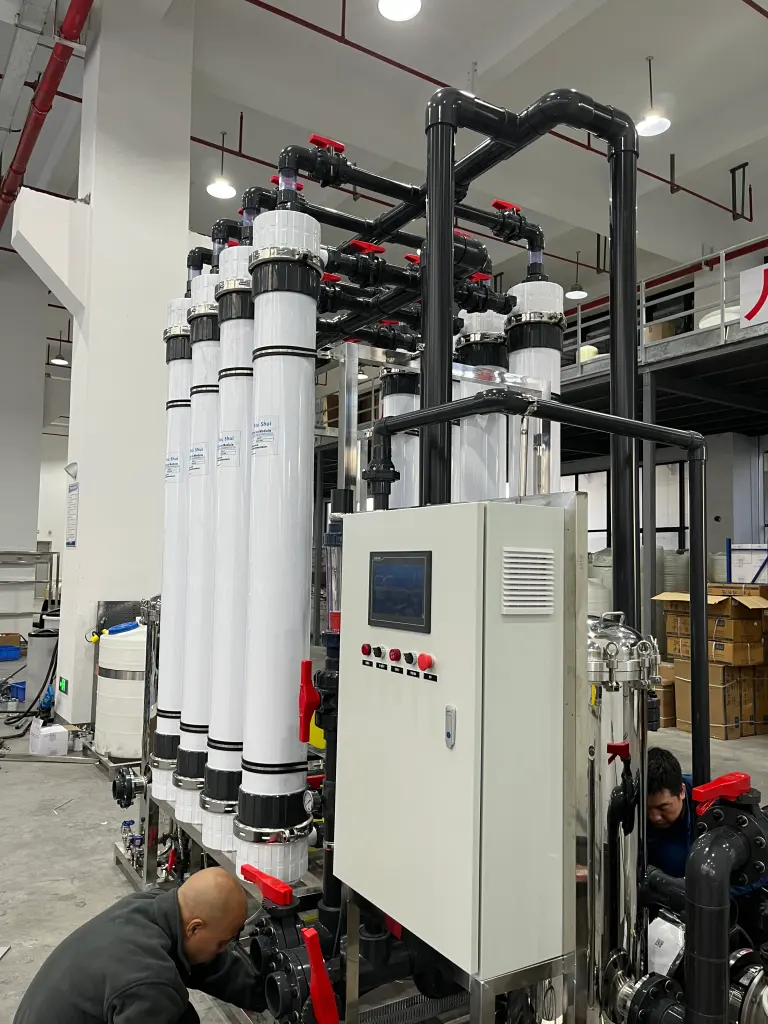
RO system capacity refers to the amount of purified water produced within a specific period.
Industrial facilities must determine their daily water demand before selecting the system capacity.
For example, a manufacturing facility may require several hundred cubic meters of treated water per day. The RO system must be designed to meet this demand while considering operating hours, peak consumption, and maintenance periods.
An appropriate design should also consider future production expansion.
Membrane Selection
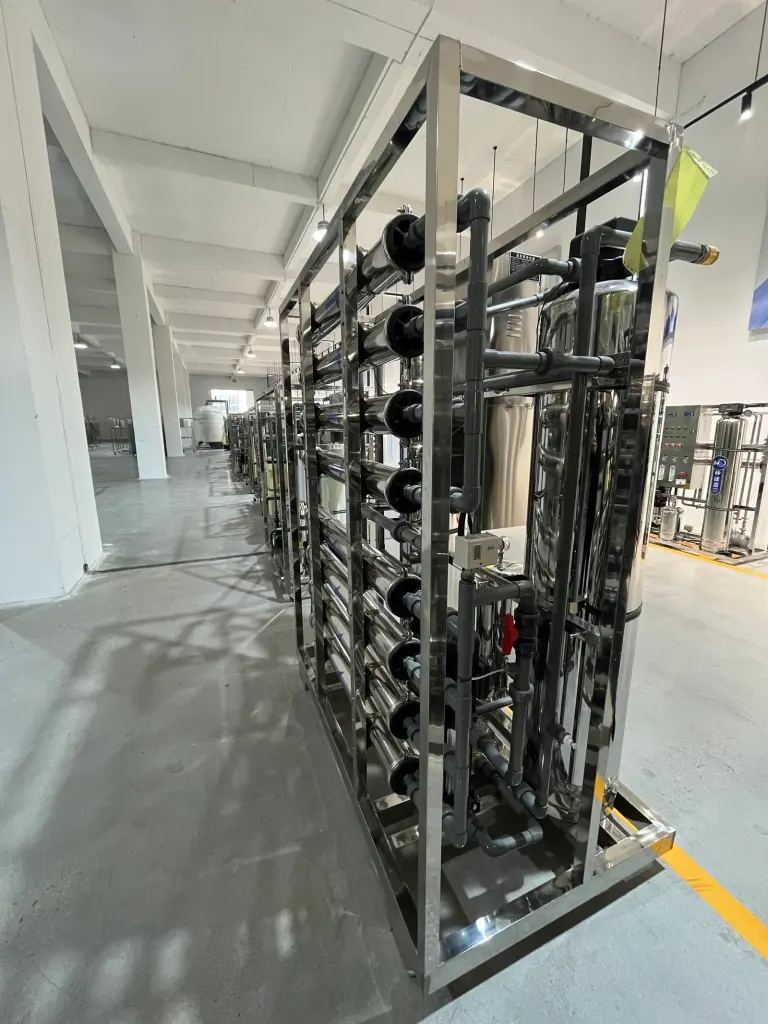
Membrane selection is another important part of RO system engineering.
Different membranes are designed for different feedwater conditions. Common industrial membrane categories include brackish water RO membranes and seawater RO membranes.
Brackish water membranes are generally used for water with moderate dissolved salt concentrations, while seawater membranes are designed for higher salinity and operating pressure.
Engineers should consider salt rejection, water permeability, operating pressure, chemical compatibility, and membrane lifespan.
Pump and Pressure Design
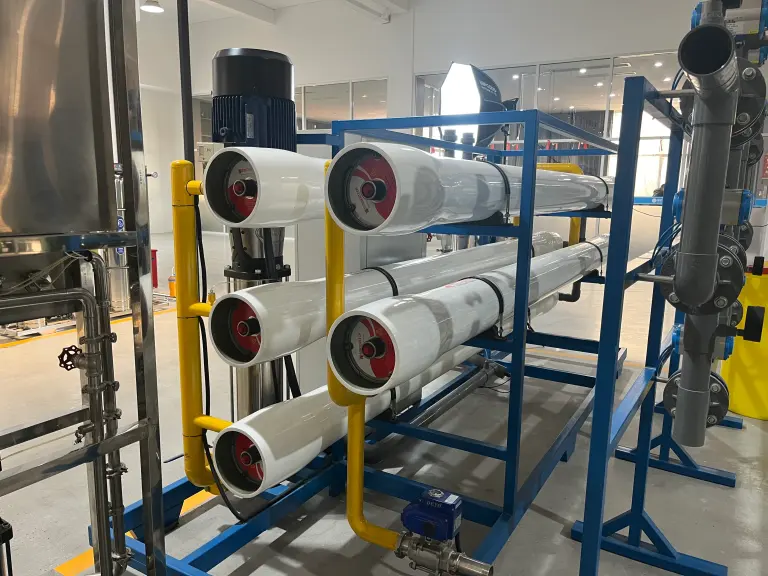
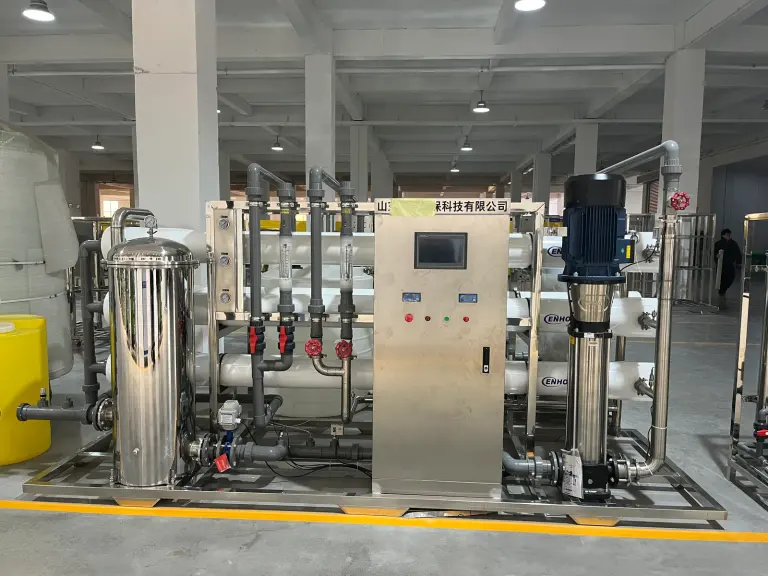
High-pressure pumps provide the energy required to overcome osmotic pressure and force water through the membrane.
The required pressure depends on feedwater salinity, temperature, membrane characteristics, and system recovery.
Incorrect pump selection may result in insufficient water production or unnecessary energy consumption.
Therefore, pump capacity and operating pressure must be carefully calculated during system design.
Recovery Rate
Recovery rate refers to the percentage of feedwater converted into permeate.
It can be calculated using the following formula:
Recovery Rate = (Permeate Flow Rate / Feed Flow Rate) × 100%
For example, if the feedwater flow rate is 100 m³/h and the permeate flow rate is 70 m³/h, the recovery rate is 70%.
A higher recovery rate reduces water losses but also increases the concentration of dissolved salts in the concentrate stream.
Engineers must balance water recovery, scaling risk, membrane performance, and operating costs.
Pretreatment System Design
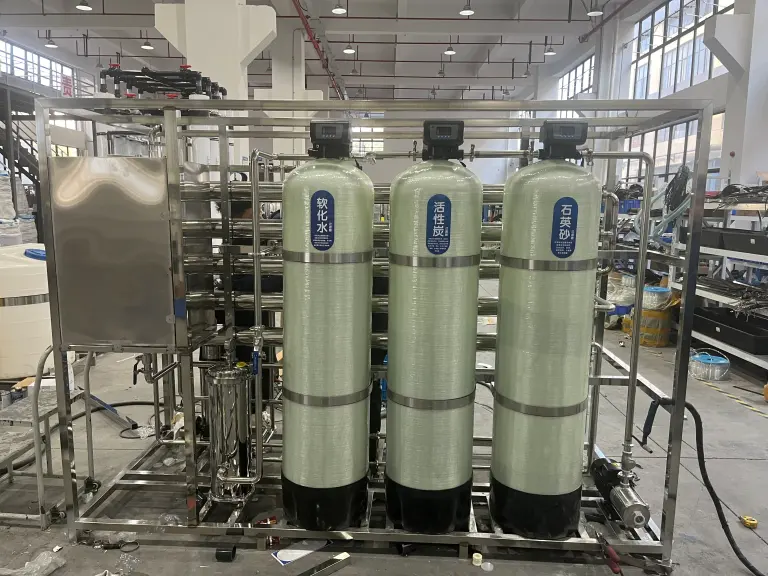
Pretreatment protects RO membranes from suspended solids, chlorine, microorganisms, and scale-forming substances.
Common pretreatment equipment includes multimedia filters, activated carbon filters, cartridge filters, water softeners, and chemical dosing systems.
The selection of pretreatment equipment depends on the quality of the raw water.
Effective pretreatment is essential for reducing membrane fouling and maintaining long-term system reliability.
System Layout and Piping
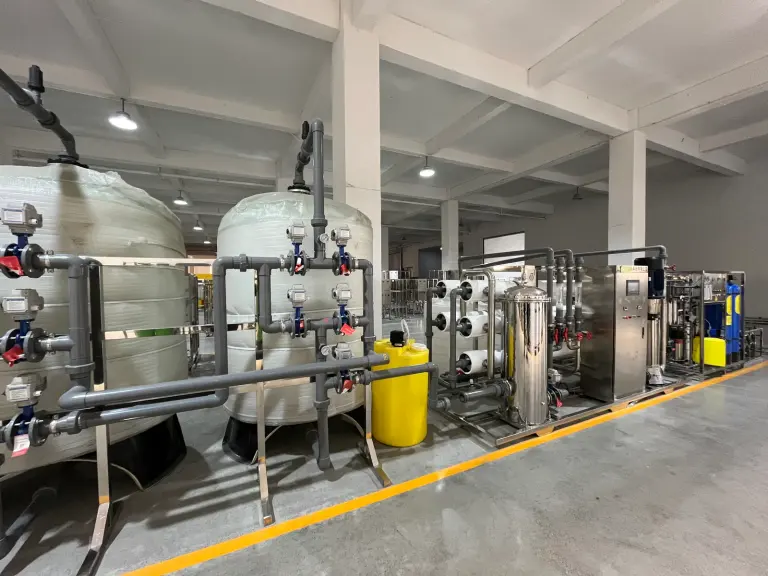
Industrial RO systems require properly designed piping, valves, pressure vessels, and instrumentation.
Piping materials must be compatible with operating pressure and water chemistry.
The system layout should allow convenient access for inspection, membrane replacement, and maintenance.
Proper hydraulic design also helps reduce unnecessary pressure losses and improves overall operating efficiency.
Conclusion
Industrial RO system design requires careful consideration of water quality, system capacity, membrane selection, pump pressure, recovery rate, and pretreatment.
A well-designed system can produce consistent water quality while minimizing energy consumption and maintenance costs.
As industrial water demand continues to increase, professional RO engineering will remain important for improving water treatment efficiency and system reliability.
Need an engineered recommendation?
Send your feed-water analysis and operating target to our engineering team.
Chat on WhatsApp