
Energy Efficiency and Cost Reduction in Industrial Reverse Osmosis Systems
How to reduce energy consumption and operating cost in industrial RO systems — high-efficiency pumps, variable frequency drives, energy recovery devices, membrane performance, recovery optimisation and automatic monitoring.
Introduction
Energy consumption is one of the major operating costs of industrial reverse osmosis systems. RO technology requires pressure to overcome osmotic pressure and separate water from dissolved contaminants.
In large industrial facilities, even small improvements in energy efficiency can result in significant long-term cost savings.
Therefore, improving energy efficiency is an important objective in modern RO system design and operation.
Energy Consumption in RO Systems
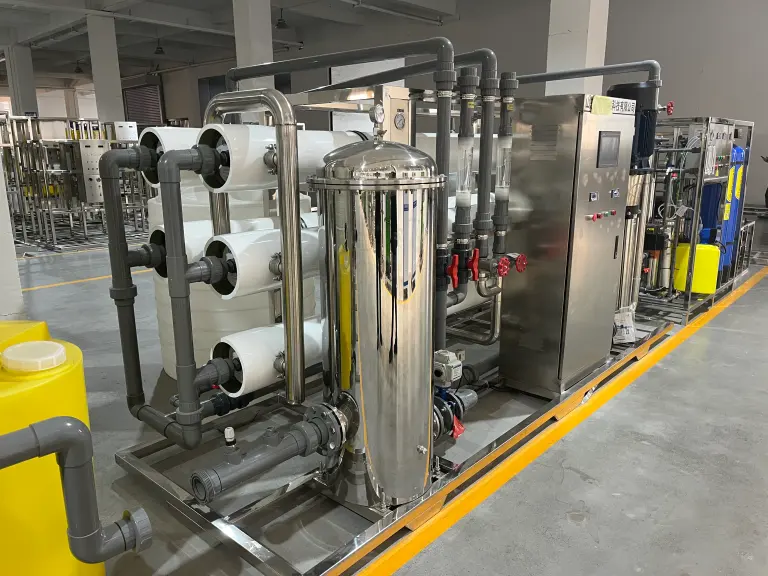
The main energy-consuming equipment in an industrial RO system is the high-pressure pump.
The pump provides sufficient pressure to push feedwater through the semi-permeable membrane.
Energy consumption depends on several factors, including feedwater salinity, operating pressure, water temperature, membrane condition, and system recovery rate.
Seawater RO systems generally require higher operating pressures than brackish water systems because seawater has a higher dissolved salt concentration.
High-Efficiency Pumps
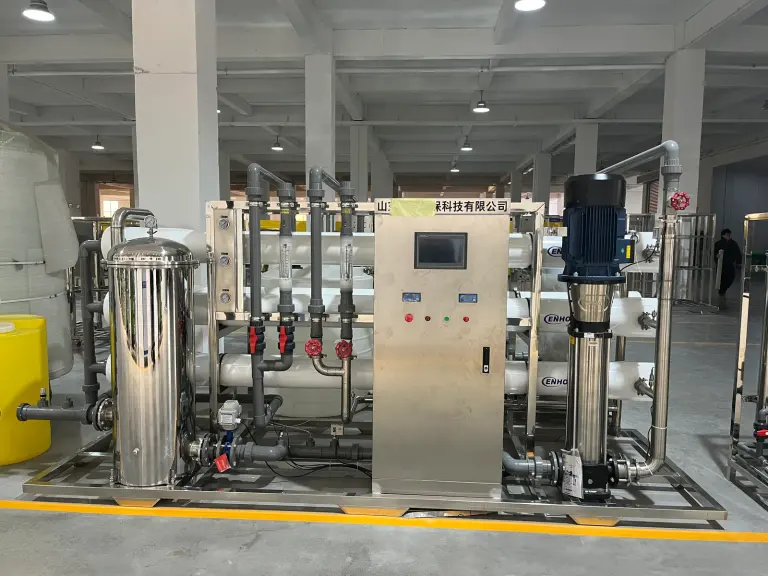
Selecting an appropriate high-pressure pump is an effective way to improve RO energy efficiency.
Modern pumps are designed to provide stable pressure while reducing unnecessary energy losses.
Pump efficiency should be considered during system design and equipment replacement.
Regular inspection is also important because worn components, mechanical problems, and improper operating conditions may increase electricity consumption.
Variable Frequency Drives
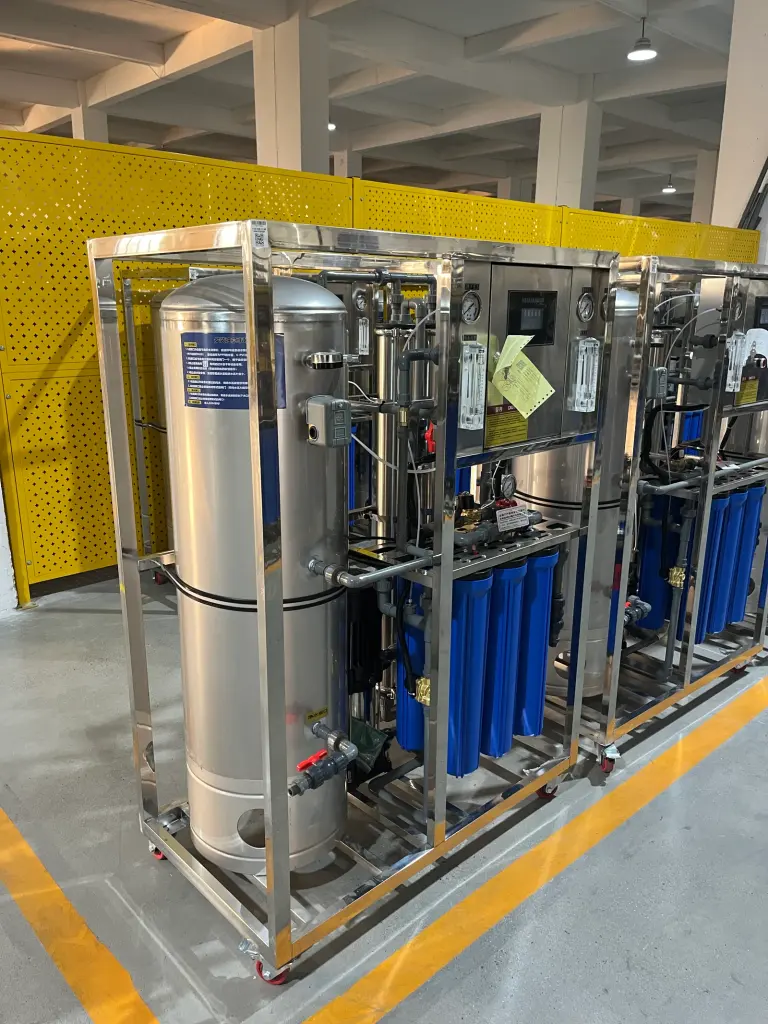
Variable frequency drives (VFDs) allow pump motor speed to be adjusted according to system requirements.
Instead of operating continuously at maximum speed, the pump can adjust its output based on pressure and flow demand.
This can reduce unnecessary energy consumption, particularly when the system experiences variations in operating conditions.
VFDs can also provide smoother pump starting and reduce mechanical stress on equipment.
Energy Recovery Devices
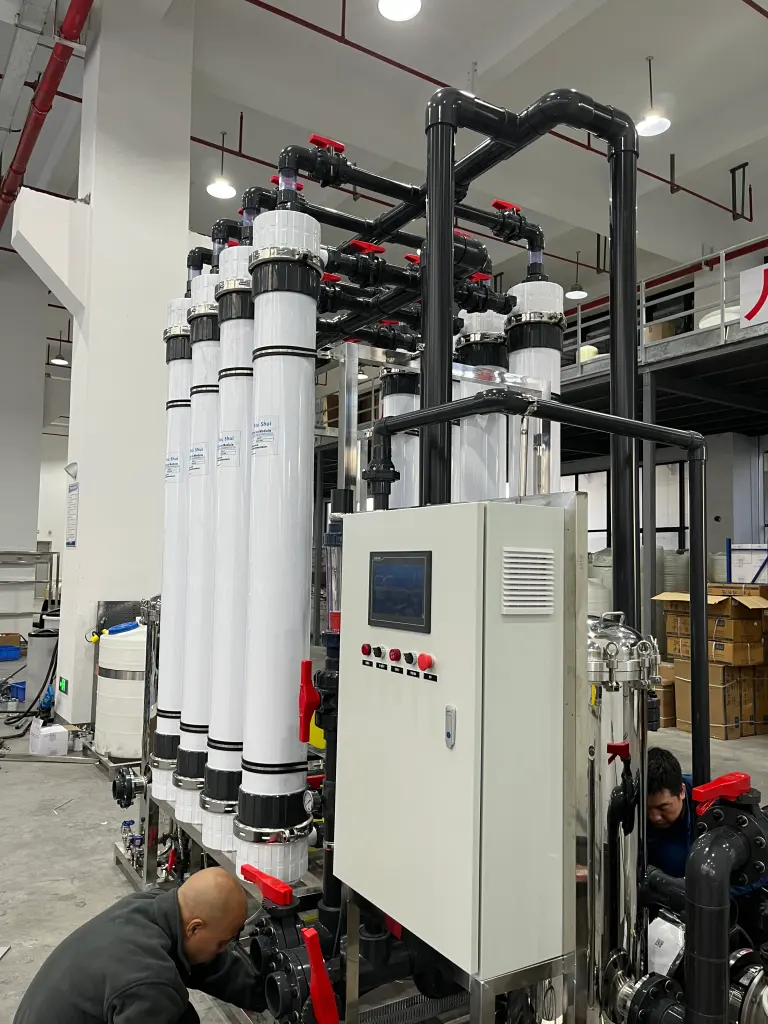
Energy recovery devices are particularly important in large seawater desalination systems.
During RO operation, the concentrate stream leaves the membrane system under relatively high pressure.
An energy recovery device can transfer part of this pressure energy to incoming feedwater.
This reduces the amount of energy required from the high-pressure pump.
Energy recovery technology is widely used in modern large-scale seawater desalination plants.
Membrane Performance
Membrane condition directly affects system energy consumption.
When membranes become fouled or scaled, water flow resistance increases.
The system may require higher operating pressure to maintain the required permeate production.
Regular monitoring and appropriate chemical cleaning can help maintain membrane performance.
Replacing damaged or severely deteriorated membranes may also improve energy efficiency.
Optimizing Recovery Rate
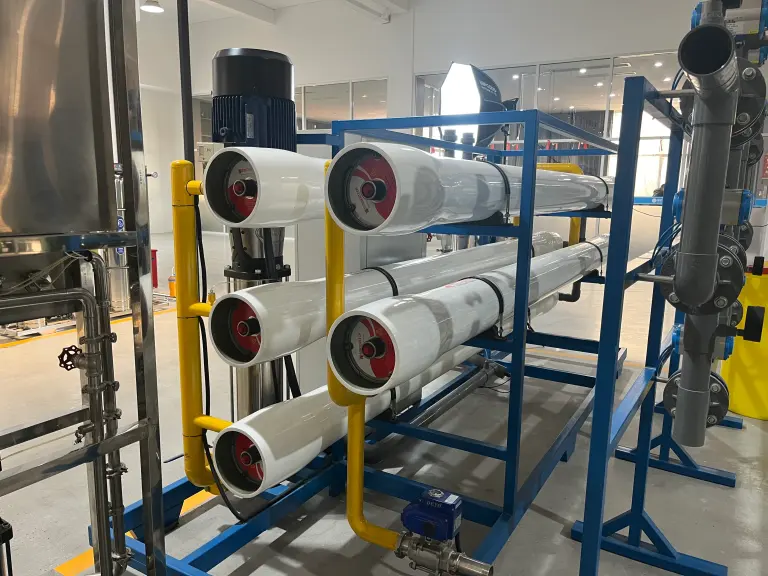
System recovery rate influences both water production and concentrate concentration.
Increasing recovery can improve water utilization, but excessive recovery may increase scaling risks.
Scaling can reduce membrane performance and increase operating pressure.
Therefore, recovery should be optimized according to feedwater chemistry, membrane specifications, and operating conditions.
Automatic Monitoring
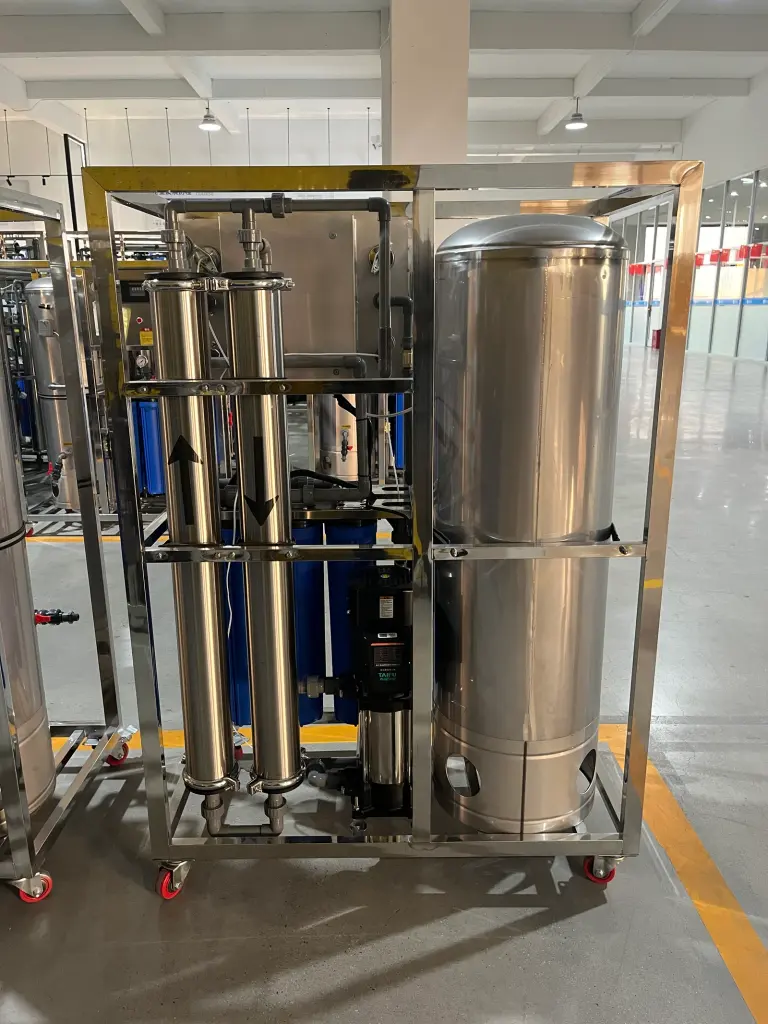
Modern RO systems use sensors and control systems to monitor pressure, flow, conductivity, and temperature.
Automatic monitoring helps operators identify abnormal operating conditions.
For example, an unexpected increase in pressure may indicate fouling or scaling.
Early detection allows maintenance personnel to investigate problems before energy consumption increases significantly.
Economic Benefits
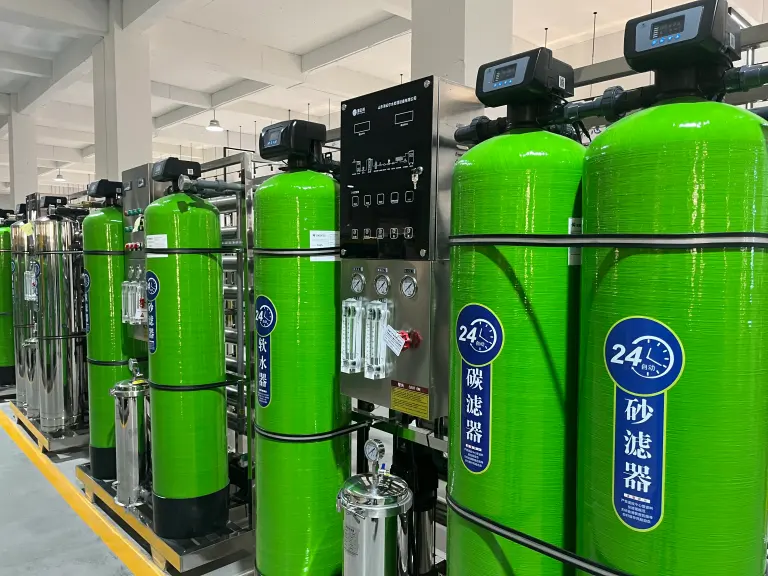
Improving energy efficiency can reduce electricity expenses and operating costs.
Other benefits include lower maintenance requirements, longer membrane service life, and improved system availability.
Although energy-efficient pumps, VFDs, and energy recovery devices may require additional investment, the long-term savings can justify their installation.
Conclusion
Energy efficiency is a key factor in the economic performance of industrial RO systems.
High-efficiency pumps, variable frequency drives, energy recovery devices, proper membrane maintenance, and automatic monitoring can all contribute to reducing energy consumption.
By improving system design and optimizing operating conditions, industrial facilities can reduce operating costs while maintaining reliable water production.
Need an engineered recommendation?
Send your feed-water analysis and operating target to our engineering team.
Chat on WhatsApp