The Role of Reverse Osmosis Systems in Mining Water Treatment
How RO is applied in mining water treatment — water use, mine wastewater and acid mine drainage, water recycling, equipment protection, environmental benefits and operational challenges.
Introduction
Mining is an important industry that provides raw materials for construction, manufacturing, energy production, and modern technology. However, mining activities often require significant quantities of water and may generate wastewater containing dissolved minerals, metals, and other contaminants.
Effective water treatment is essential for protecting the environment and maintaining efficient mining operations.
Reverse osmosis (RO) has become an important option for treating certain mining water streams. The technology uses semi-permeable membranes to separate water from dissolved salts and many other contaminants.
Water Usage in Mining
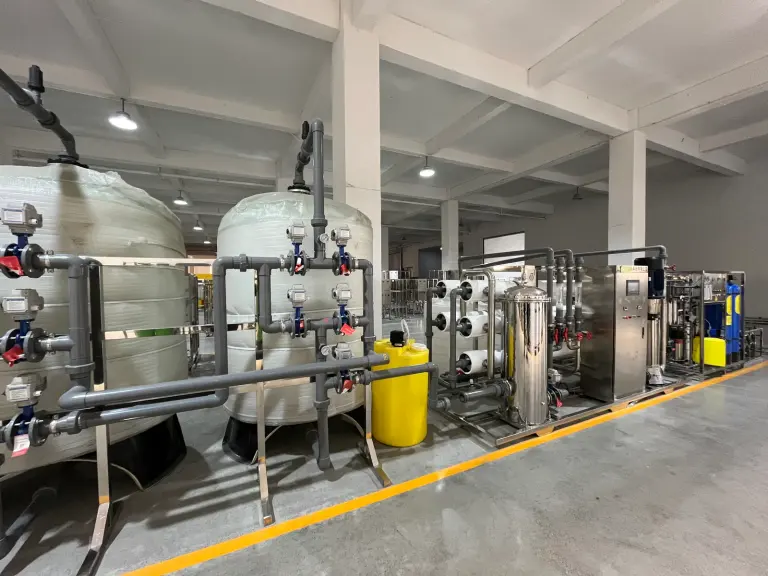
Water is used in mining for mineral processing, dust suppression, equipment cleaning, and transportation of materials.
The quality of water required depends on the specific mining operation. Some processes can use water with relatively high mineral concentrations, while others require cleaner water.
RO systems can provide treated water for applications where dissolved contaminants must be reduced.
Mine Wastewater Treatment
Mining wastewater may contain dissolved salts, metals, suspended solids, and other substances.
Depending on the mining process and geological conditions, some wastewater streams may also have acidic or alkaline characteristics.
RO can remove a large proportion of dissolved ionic contaminants from appropriately pretreated wastewater.
However, mining wastewater often requires chemical treatment, clarification, or filtration before entering the RO system.
Acid Mine Drainage
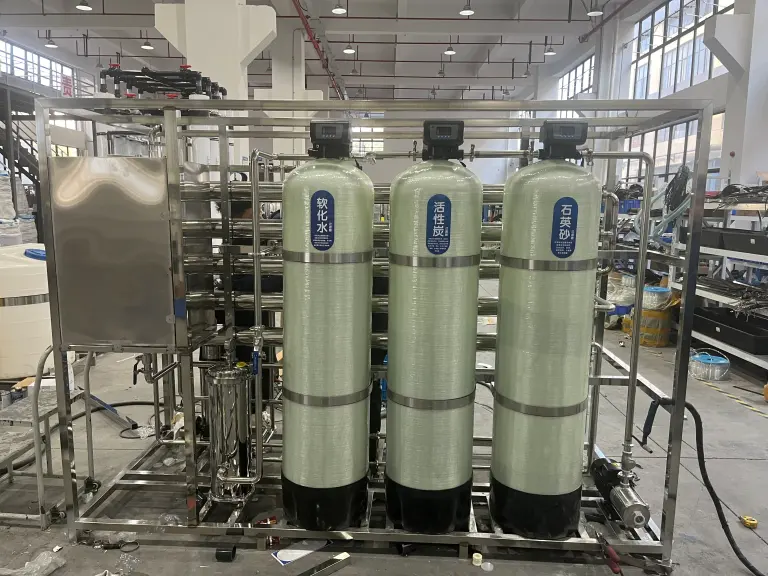
Acid mine drainage can occur when certain sulfide minerals are exposed to water and oxygen. This may produce acidic water containing elevated concentrations of dissolved metals and sulfate.
RO can be used as an advanced treatment stage after suitable neutralization and removal of scale-forming substances.
The membrane can reduce dissolved salts and certain metal ions, producing water that may be suitable for reuse or further treatment.
Water Recycling
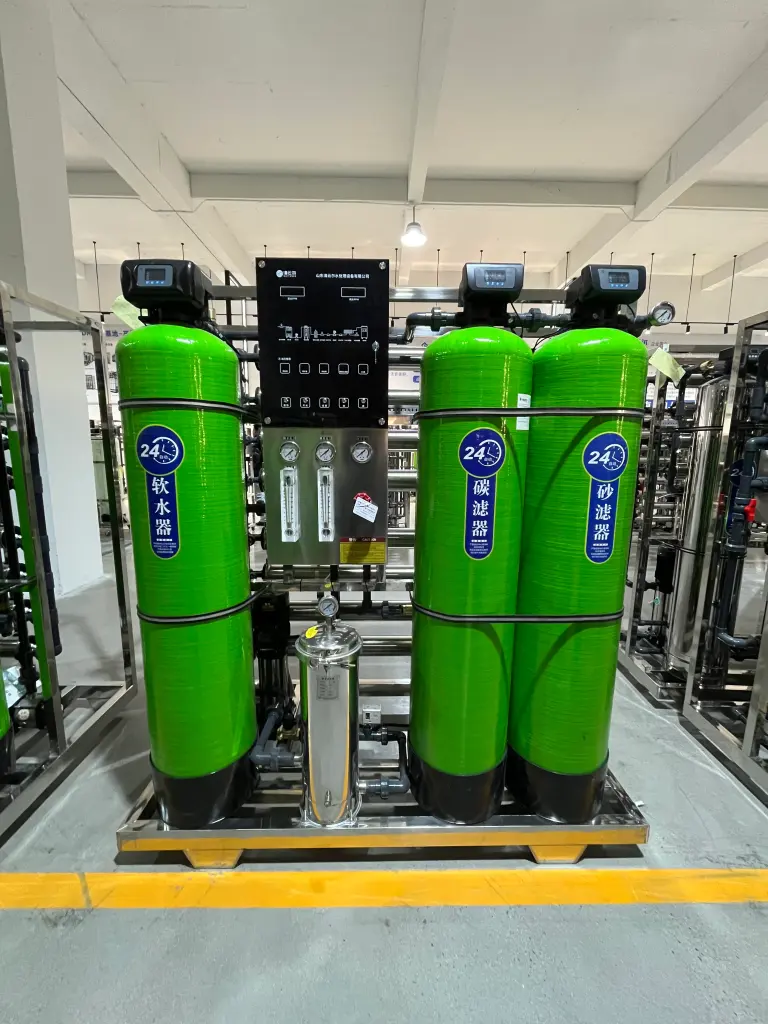
Mining operations can benefit from recycling treated water. Reclaimed water may be returned to mineral processing or other suitable industrial operations.
RO can improve the quality of recovered water when dissolved salts interfere with process requirements.
Reusing water reduces the amount of freshwater required and may decrease wastewater discharge.
Equipment Protection
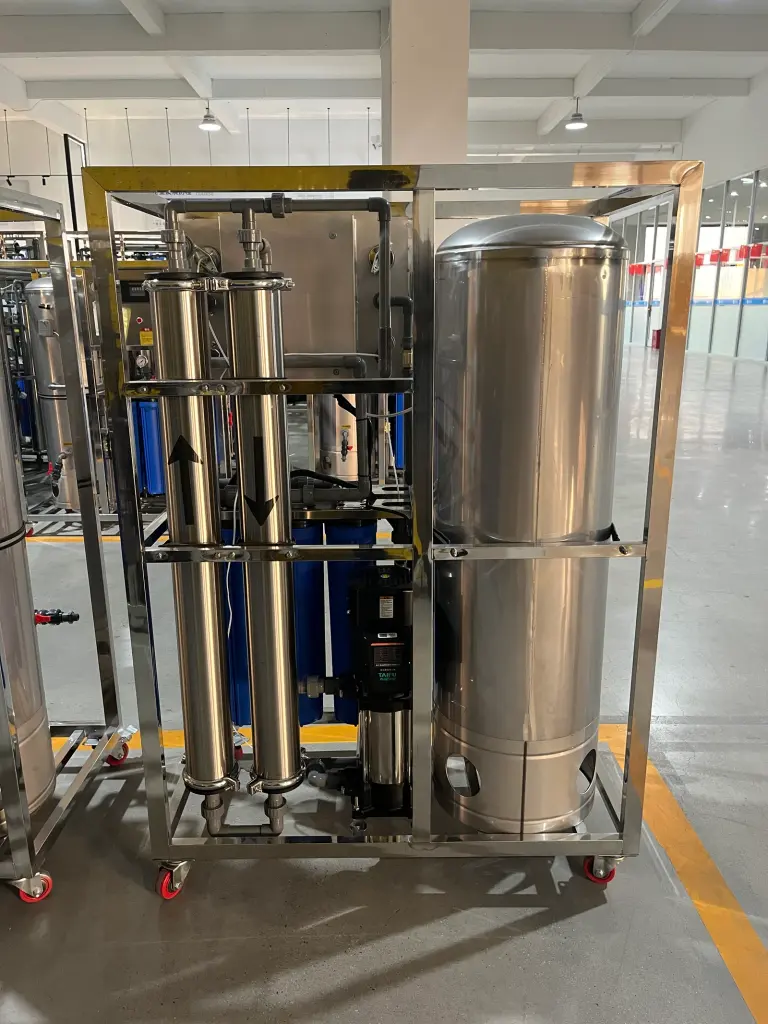
High concentrations of dissolved minerals can cause scaling in pipes, pumps, and heat exchangers.
RO treatment can reduce dissolved mineral concentrations and help protect equipment in applications that require low-salinity water.
This may reduce maintenance requirements and improve operating reliability.
Environmental Benefits
Mining wastewater management is an important environmental responsibility.
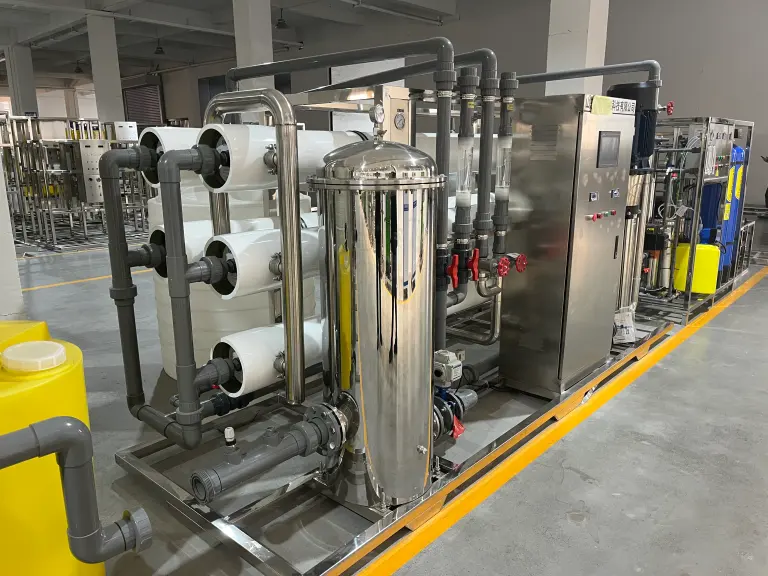
RO can help facilities recover usable water and reduce the concentration of dissolved contaminants in the treated stream.
However, the process produces concentrate that still contains rejected contaminants. Proper concentrate management is essential to avoid creating additional environmental problems.
Operational Challenges
Mining wastewater can contain high concentrations of suspended solids and scale-forming minerals.
Without suitable pretreatment, these substances can rapidly foul or scale RO membranes.
Operating costs, energy consumption, and concentrate disposal must also be considered when evaluating RO systems for mining applications.
Conclusion
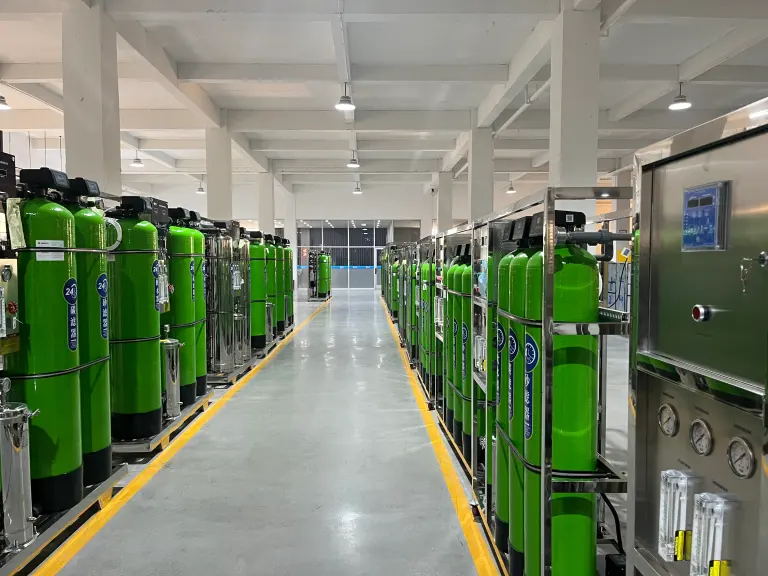
Reverse osmosis can play an important role in mining water treatment. It can be used for wastewater purification, selected acid mine drainage treatment systems, process water production, and water recycling.
The effectiveness of RO depends on feedwater characteristics, pretreatment, operating conditions, and concentrate management.
With appropriate engineering design, RO technology can help mining companies improve water efficiency and reduce the environmental impact of their operations.
Need an engineered recommendation?
Send your feed-water analysis and operating target to our engineering team.
Chat on WhatsApp