Applications of Reverse Osmosis Systems in the Oil and Gas Industry
How RO is used in oil and gas — refinery water treatment, boiler feedwater production, produced water treatment, industrial water reuse, and the fouling and concentrate challenges involved.
Introduction
The oil and gas industry requires large quantities of water for drilling, refining, cooling, steam generation, and other industrial operations. However, the water available at production facilities often contains dissolved salts, suspended solids, organic compounds, and other contaminants. These substances can cause corrosion, scaling, and equipment damage.
Reverse osmosis (RO) is an important technology used to improve water quality in the oil and gas industry. It uses pressure and semi-permeable membranes to remove a large proportion of dissolved salts and other impurities from water. RO systems can help industrial facilities produce treated water, protect equipment, and reduce freshwater consumption.
Water Treatment in Oil Refineries
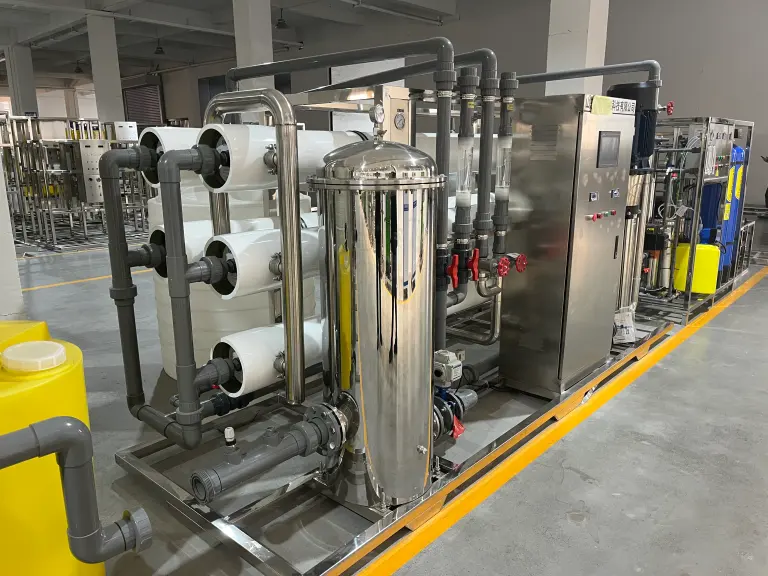
Oil refineries use water for cooling, steam generation, cleaning, and chemical processing. The quality of this water is important because impurities can affect the performance of equipment.
RO systems can be used to produce low-salinity water for refinery operations. By reducing dissolved mineral concentrations, RO can help control scaling in boilers, heat exchangers, and other equipment.
In many refineries, RO is combined with additional treatment processes to achieve the water quality required for specific operations.
Boiler Feedwater Production
Steam is widely used in oil refineries for heating, distillation, and other processing operations. Boilers require high-quality feedwater to prevent mineral deposits and corrosion.
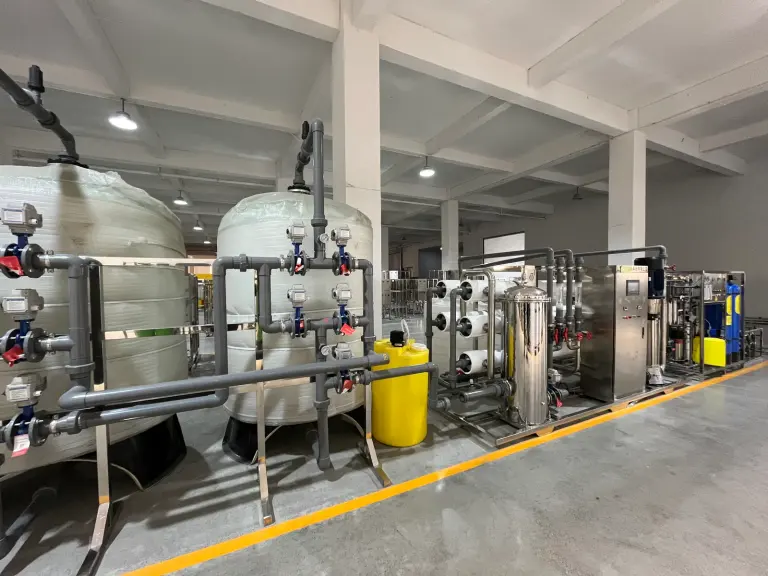
RO systems can remove most dissolved salts from feedwater before it enters further purification equipment. This reduces the load on downstream treatment systems.
Properly treated boiler feedwater can improve operating reliability, reduce maintenance requirements, and support efficient steam production.
Produced Water Treatment
Oil and gas extraction generates a wastewater stream known as produced water. This water may contain dissolved salts, oil, organic substances, and other contaminants.
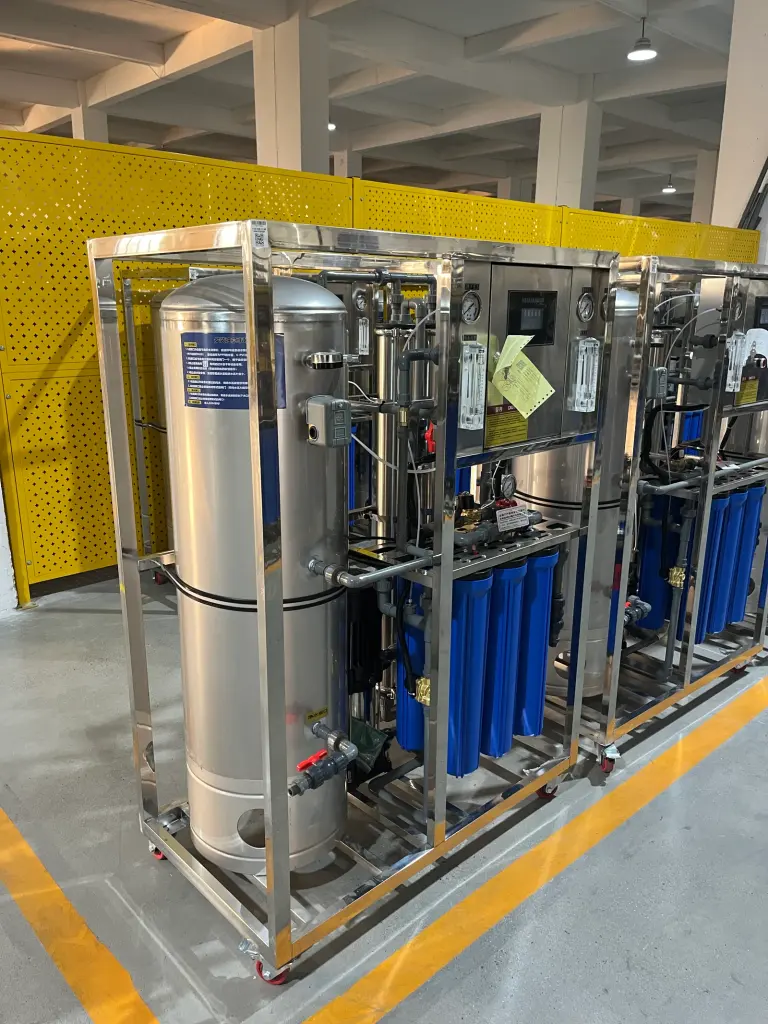
RO can be considered for treating produced water when the water has undergone suitable pretreatment and its salinity and composition are compatible with membrane operation.
Pretreatment is particularly important because oil, suspended solids, and certain organic compounds can cause severe membrane fouling.
For highly saline produced water, conventional RO may not be technically or economically suitable without additional treatment or alternative technologies.
Industrial Water Reuse
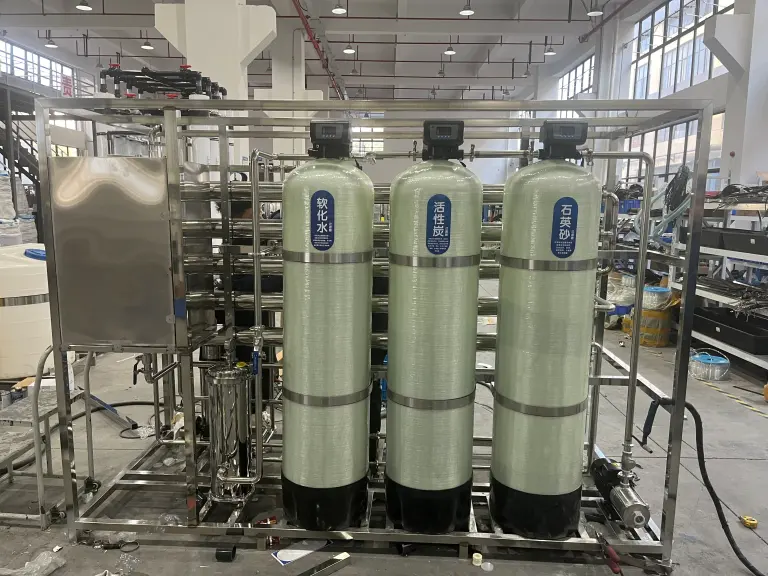
Water reuse is becoming increasingly important in the oil and gas industry. Instead of discharging all treated wastewater, facilities may recover part of it for industrial operations.
RO can be included in advanced wastewater treatment systems to produce reclaimed water for suitable applications, such as cooling or utility services.
This approach can reduce freshwater consumption and improve water management efficiency.
Challenges
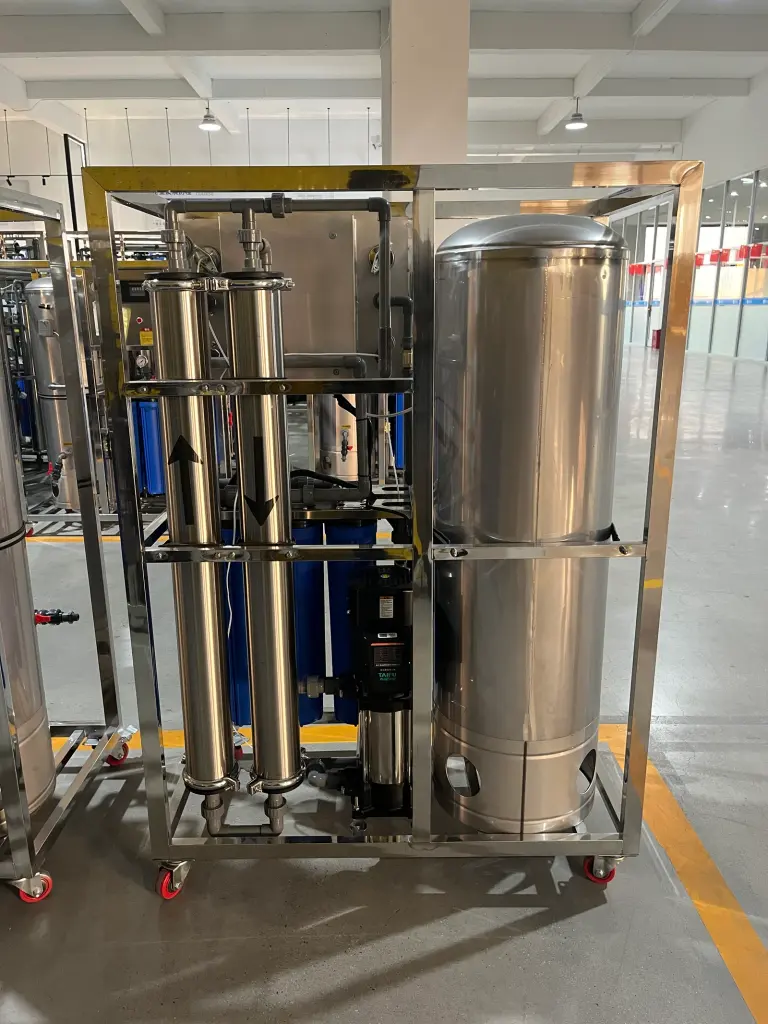
One major challenge is membrane fouling. Oil residues, organic compounds, suspended solids, and mineral deposits can reduce membrane performance.
Another challenge is the management of concentrated wastewater. RO separates contaminants from the purified water but does not eliminate them.
The concentrate must therefore be treated or disposed of appropriately.
Conclusion
Reverse osmosis is a valuable technology for water treatment in the oil and gas industry. It can support refinery operations, boiler feedwater production, and selected wastewater reuse applications.
Although membrane fouling, feedwater complexity, and concentrate management remain important challenges, proper pretreatment and system design can improve performance.
As the oil and gas industry continues to improve water efficiency, RO systems can play an important role in reducing freshwater demand and supporting reliable industrial operations.
Need an engineered recommendation?
Send your feed-water analysis and operating target to our engineering team.
Chat on WhatsApp