
The Importance of Reverse Osmosis Systems in the Pharmaceutical Industry
How RO supports pharmaceutical water treatment — water quality requirements, pretreatment, purified water systems, double-pass RO, cleaning, monitoring, microbial control, maintenance and the advantages of the technology.
Introduction
Water is an essential material in pharmaceutical manufacturing. It is used in production processes, equipment cleaning, laboratory activities, and the preparation of pharmaceutical water systems. Because pharmaceutical manufacturing requires carefully controlled conditions, the quality of water must also be strictly controlled.
Reverse osmosis (RO) is widely used as part of pharmaceutical water purification systems. It can significantly reduce dissolved salts and many other contaminants in feedwater. RO is often combined with additional purification and sanitization technologies to achieve the water quality required for a particular pharmaceutical application.
Importance of Water Quality
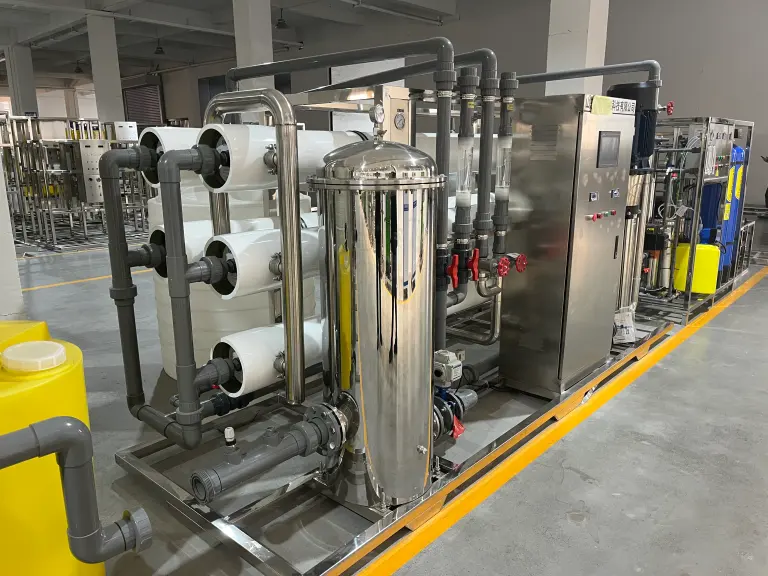
Water can influence both manufacturing processes and final product quality. Feedwater may contain dissolved minerals, microorganisms, organic substances, particles, and other impurities.
If these contaminants are not properly controlled, they can create problems in pharmaceutical production and water distribution systems.
For this reason, pharmaceutical water treatment normally uses multiple treatment barriers rather than relying on a single technology.
Role of Reverse Osmosis
RO is commonly used as a major purification stage because it can remove a high proportion of dissolved ionic substances while also providing a barrier to many other contaminants.
Before entering the RO system, feedwater normally receives pretreatment. This protects the membranes and helps maintain stable operation.
After RO, additional treatment may be used depending on the required water quality and the design of the pharmaceutical water system.
Pretreatment
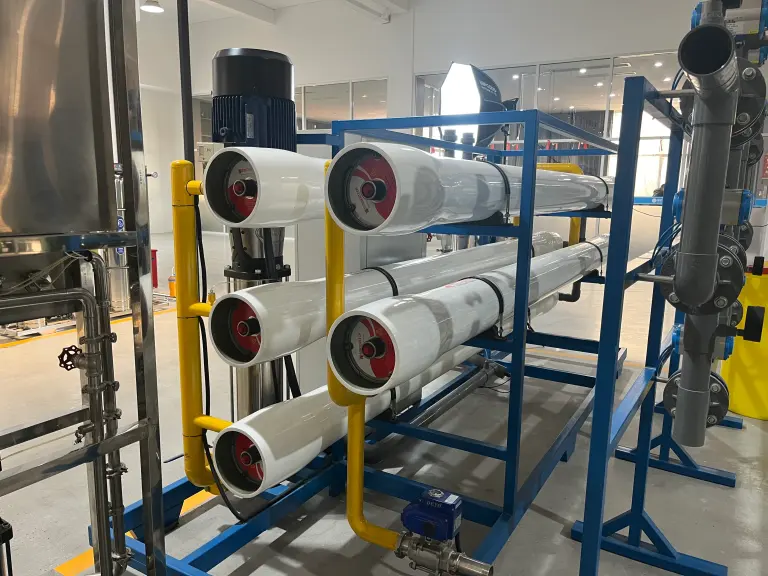
Pretreatment is important because RO membranes can be affected by fouling, scaling, and incompatible chemicals.
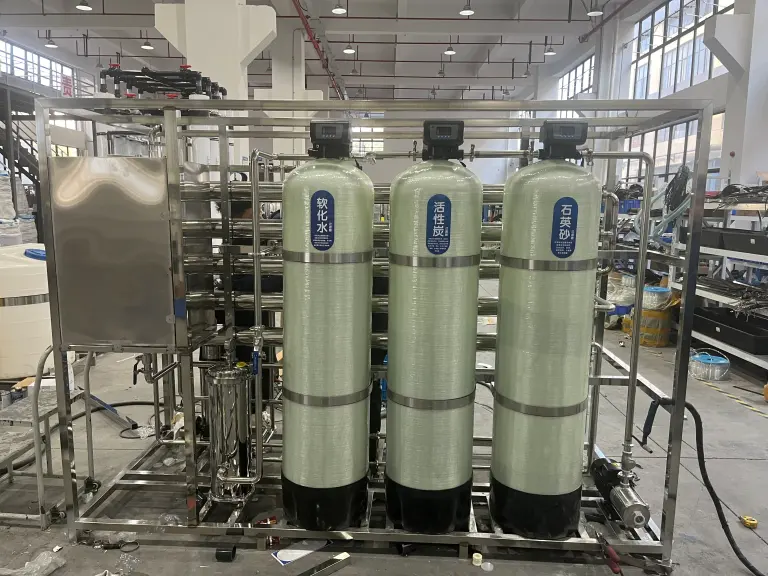
The pretreatment process may include filtration, hardness control, dechlorination, chemical dosing, and other treatment steps.
The exact configuration depends on the feedwater characteristics. Proper pretreatment helps protect the membrane and improves the reliability of the overall purification system.
RO and Purified Water Systems
RO can be incorporated into systems designed to produce purified water for pharmaceutical operations.
In many systems, RO is combined with technologies such as electrodeionization, ultraviolet treatment, membrane filtration, or other polishing processes.
Using multiple treatment stages provides additional control over water quality and allows the system to address different types of contaminants.
Double-Pass RO Systems
Some pharmaceutical facilities use double-pass RO systems. In this arrangement, permeate from the first RO stage becomes feedwater for a second RO stage.
The second pass can further reduce dissolved ionic contaminants and improve permeate quality.
The suitability of single-pass or double-pass RO depends on feedwater quality, system design, and the required final water specifications.
Equipment Cleaning
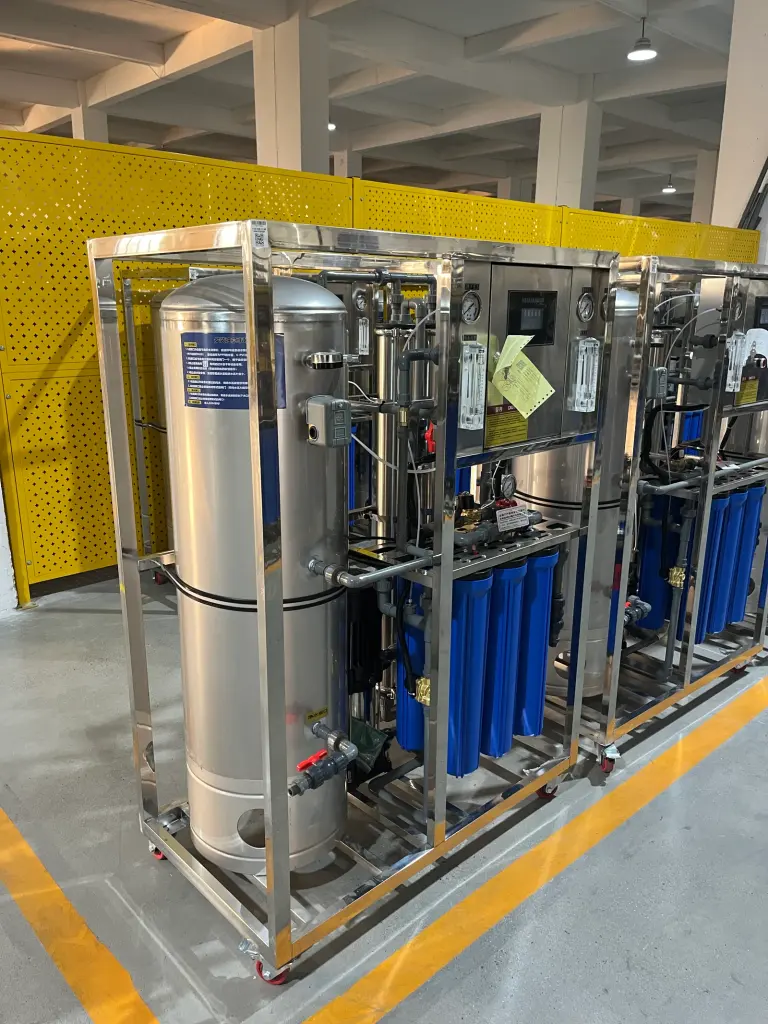
Pharmaceutical manufacturing equipment must be cleaned carefully to control contamination. Water is often used during washing and rinsing procedures.
The required water quality depends on the cleaning process and application. RO-treated water can form part of the water purification system that supplies cleaning operations.
Consistent water quality is particularly important because variations in the water supply can affect validated manufacturing and cleaning processes.
Monitoring and Automation
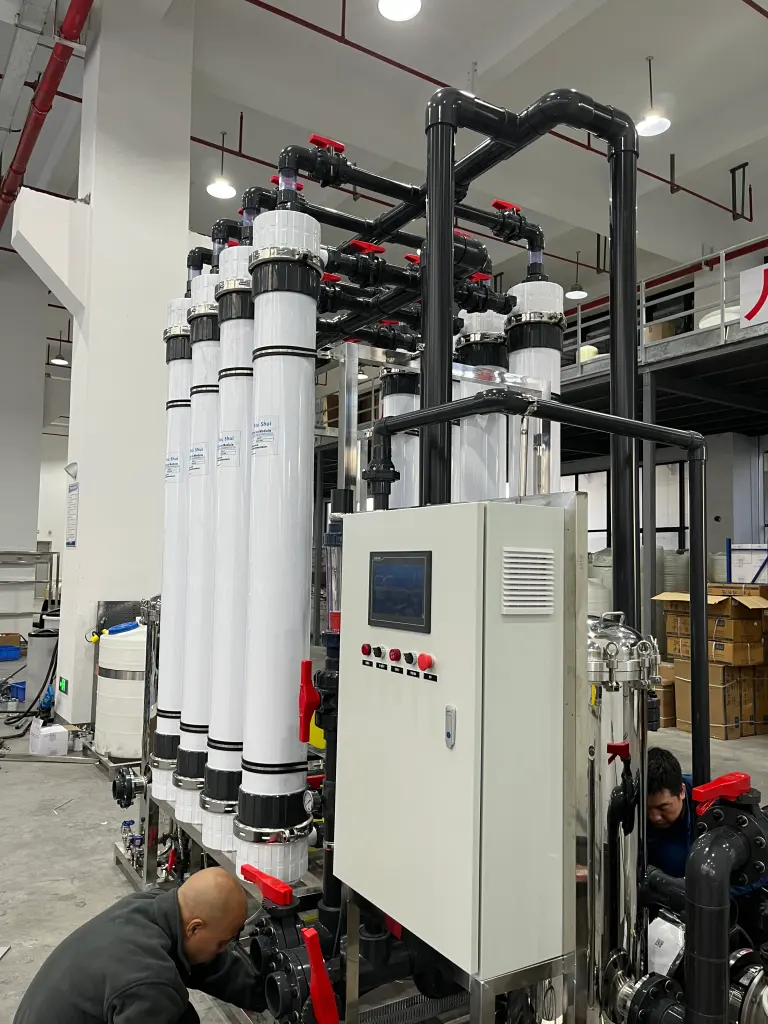
Pharmaceutical RO systems require careful monitoring. Parameters such as conductivity, pressure, flow, temperature, and other water-quality indicators may be monitored depending on system design.
Modern control systems can continuously collect operating data and provide alarms when conditions move outside established limits.
Continuous monitoring helps operators identify changes in membrane performance and supports consistent system operation.
Sanitization and Microbial Control
Microbial control is an important consideration in pharmaceutical water systems. Microorganisms can grow in water treatment and distribution equipment if the system is not properly designed and maintained.
RO provides an important treatment barrier, but the complete water system must also include appropriate microbial control strategies.
System design, circulation, sanitization procedures, operating temperature, maintenance, and monitoring can all contribute to controlling microbial growth.
Maintenance
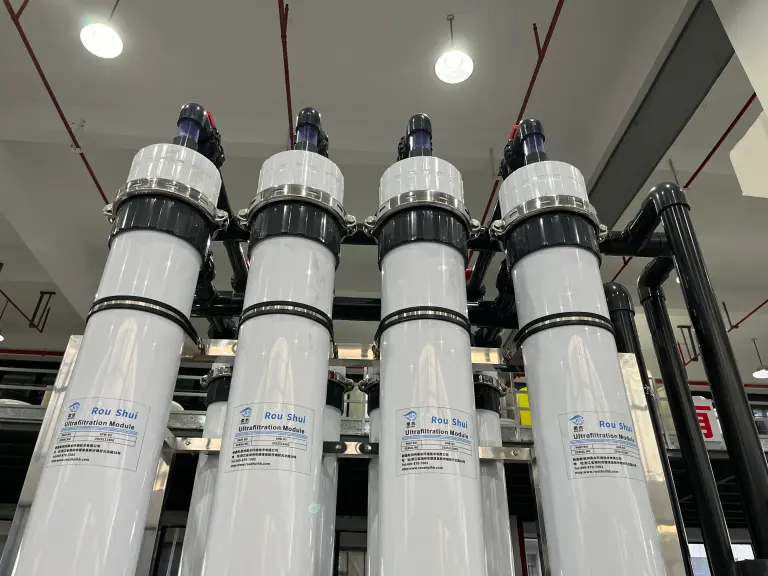
Regular maintenance is essential for pharmaceutical RO systems. Membrane performance should be monitored, filters should be replaced when necessary, and instruments should be maintained and calibrated according to established procedures.
When membrane cleaning is required, appropriate cleaning chemicals and procedures must be used.
Accurate documentation of maintenance and operating activities is also important in a controlled pharmaceutical manufacturing environment.
Advantages of RO
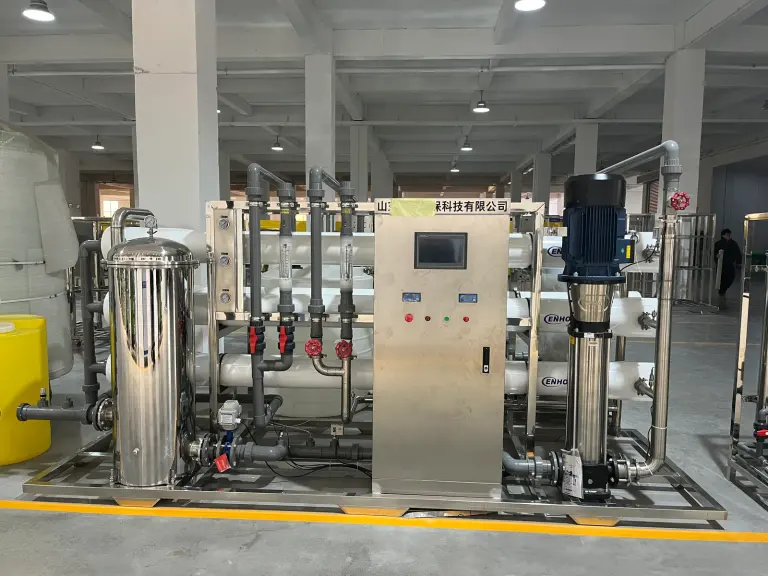
RO provides several advantages for pharmaceutical water treatment. It can significantly reduce dissolved salts, operate continuously, and be integrated with other purification technologies.
The modular nature of RO also allows systems to be designed for different production capacities.
However, RO should be considered as one component of a complete pharmaceutical water system rather than a solution to every water-quality problem.
Conclusion
Reverse osmosis is an important technology in pharmaceutical water treatment. It can provide an effective purification barrier and reduce many contaminants present in feedwater.
When combined with suitable pretreatment, additional purification technologies, monitoring, microbial control, and regular maintenance, RO can contribute to reliable pharmaceutical water production.
As pharmaceutical manufacturing continues to demand consistent and carefully controlled water quality, RO systems will remain an important part of modern pharmaceutical water treatment facilities.
Need an engineered recommendation?
Send your feed-water analysis and operating target to our engineering team.
Chat on WhatsApp